
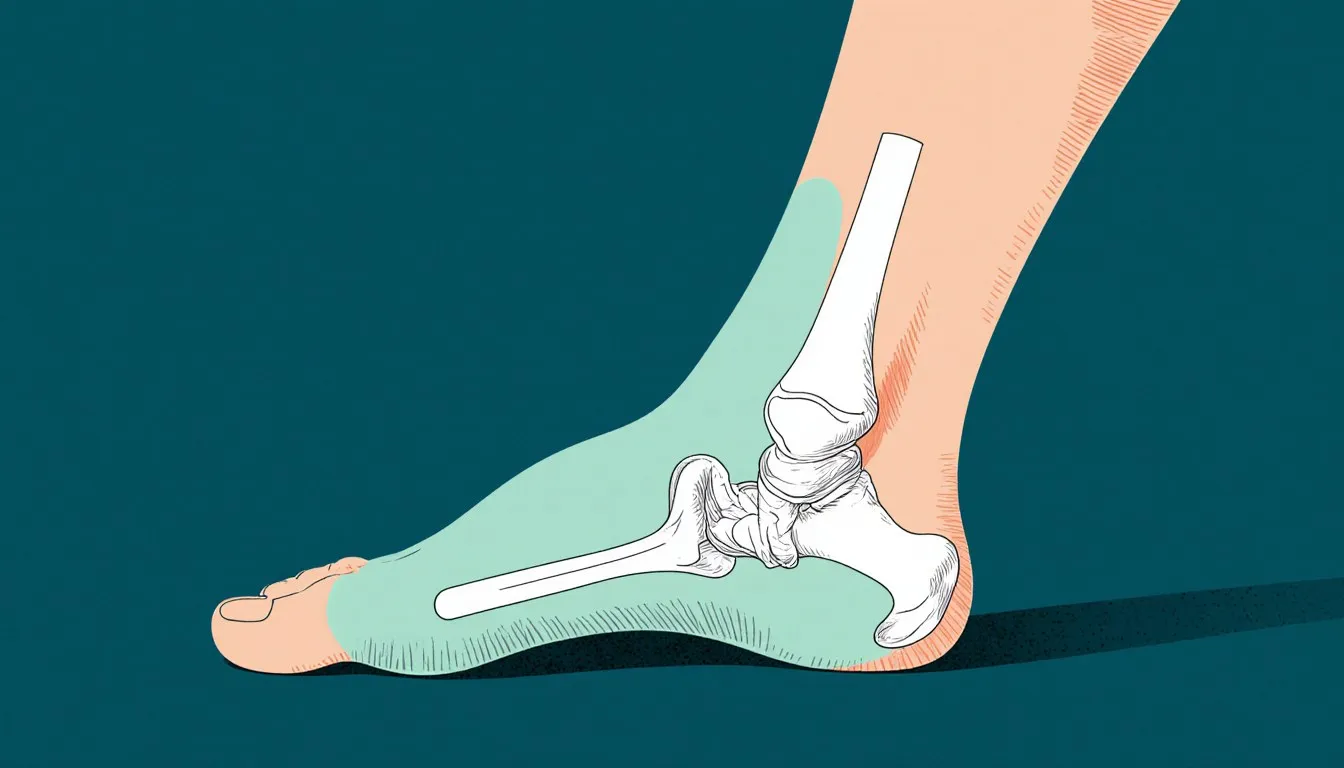
Achilles Tendonitis Exercises: Where a Real Recovery Actually Starts
Achilles tendonitis exercises work by gradually loading the tendon. Here’s the phase order, honest timeline, and red flags to know first.
Health and fitness you can act on — nutrition, exercise, conditions and wellbeing, explained clearly and grounded in what the evidence supports.
Health information has a trust problem, and it earned it. Between the miracle headlines, the supplement marketing and the advice that reverses every few years, a reasonable person could conclude that nobody knows anything. The truth is quieter: a great deal is known, it changes more slowly than the headlines suggest, and most of it points toward unglamorous fundamentals. This section is built on that quieter truth.
The coverage spans nutrition, exercise, sleep, stress and the conditions that touch most lives. Nutrition articles explain what foods and nutrients actually do, where the evidence is strong, where it is thin, and why the boring advice about vegetables and protein keeps surviving every diet trend that promised to replace it. Fitness guides cover strength, cardio, mobility and recovery for real schedules and real starting points, on the principle that the routine you keep beats the routine you quit.
Condition explainers describe symptoms, causes and standard treatments in plain language, so a diagnosis, your own or a family member's, stops being a wall of jargon. Articles on everyday complaints, sleep trouble, back pain, colds and their remedies, focus on what genuinely helps versus what merely sells. Mental wellbeing is treated as health, full stop, with the same evidence-first approach.
One boundary is held everywhere: this section informs decisions and never replaces the person qualified to make them with you. Anything touching diagnosis, medication or treatment ends at the same door, talk to your doctor, because a writer who has never met you should not be finishing that sentence. What the articles can do is send you into that conversation with better questions.
The featured guides above gather our most complete coverage of a topic in one place, and the grid below runs newest first. Start where your actual life is, sleep, food, movement, or the condition you just heard named, and build from there.
Achilles tendonitis exercises work by gradually loading the tendon. Here’s the phase order, honest timeline, and red flags to know first.
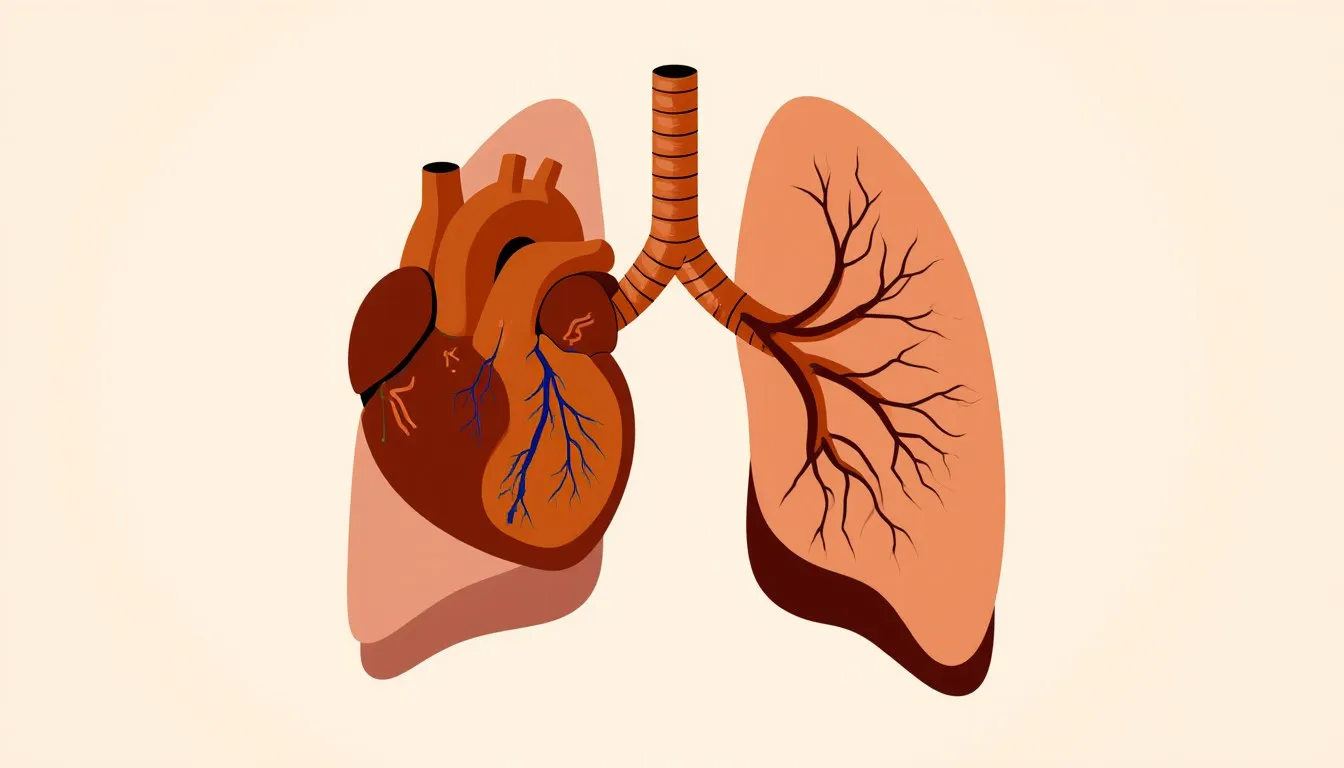
Dyspnea on exertion can point to the heart, the lungs, or the blood. What causes it, how clinicians grade and test for it, and when it needs urgent care.
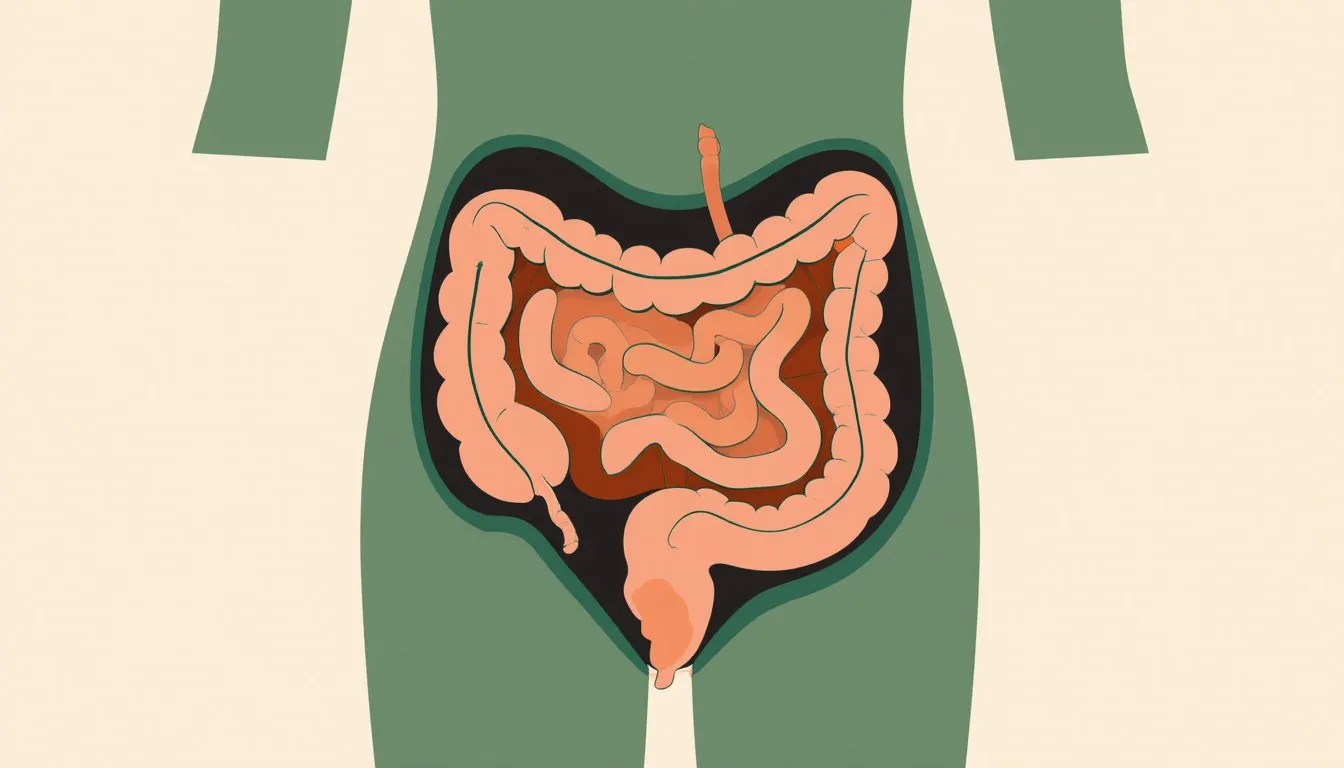
Lower abdominal pain has dozens of causes across four organ systems. What sits in the region, how doctors narrow it down, and when it is urgent.

What does a healthy diet actually look like? A realistic, budget-aware breakdown of portions, sugar and salt limits, and a sample day of meals.
A high protein diet plan doesn’t need protein powder or a bodybuilder budget. Here’s how many grams you need and what a real day of eating looks like.

A plain-English guide to diets for medical conditions: heart, diabetes, celiac, kidney, and allergies, and when to call a dietitian instead.

A real Mediterranean week of weight loss diet plans, plus how Weight Watchers, high-protein, and 1200-calorie options compare on cost and effort.
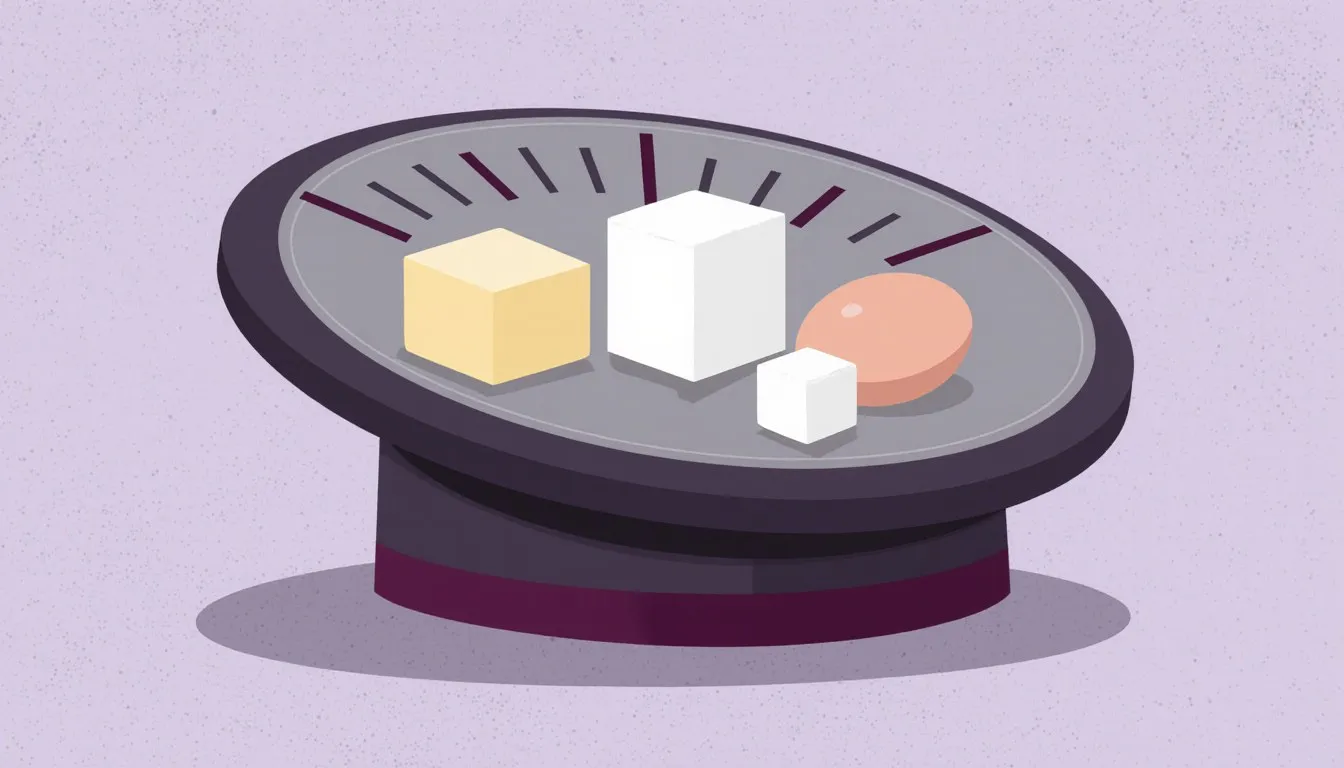
Weight Watchers points blend calories, saturated fat, sugar and protein into one number. Here’s how it’s calculated, and how to estimate your own without opening the app.

Overwhelmed by all the types of diets out there? Here’s how they sort into five honest categories, so you can pick one that fits your actual week.
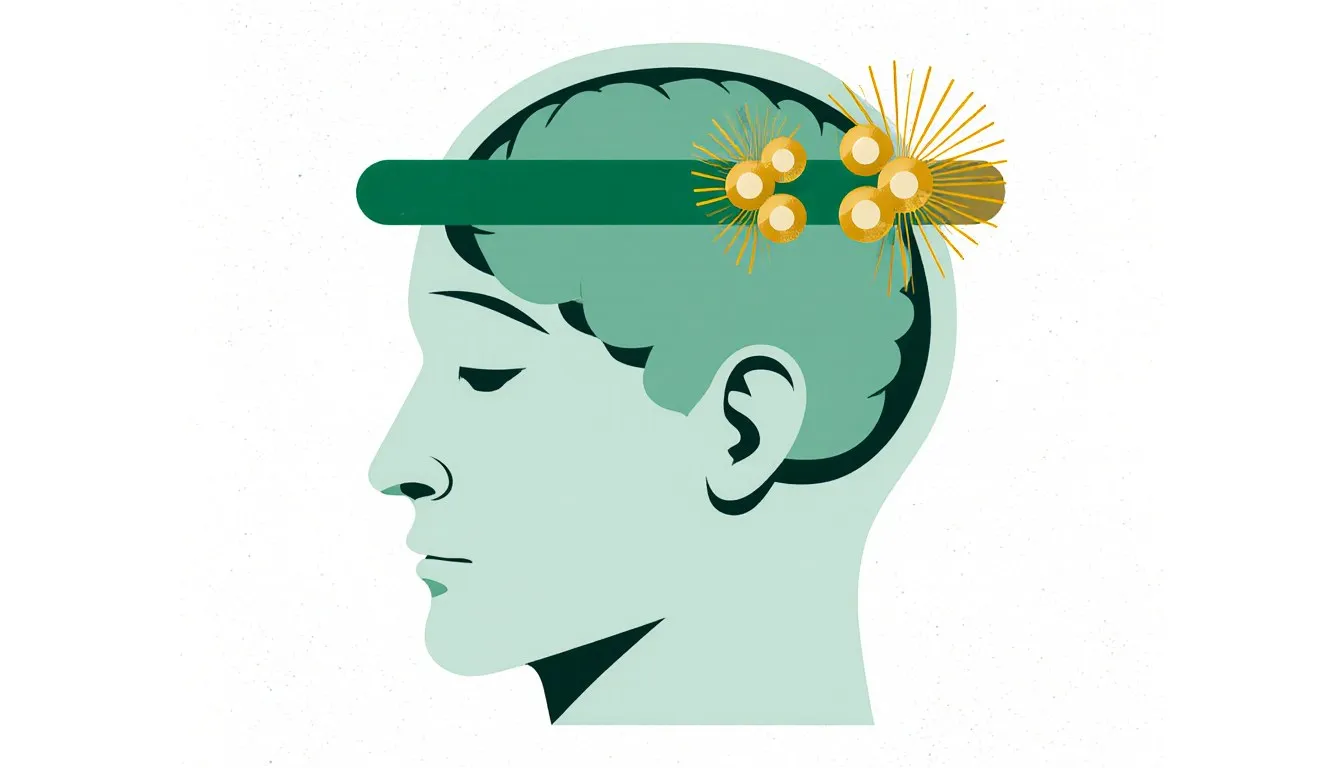
The types of headaches doctors recognize fall into two groups: primary, where the headache is the disorder, and secondary, where it signals something else.
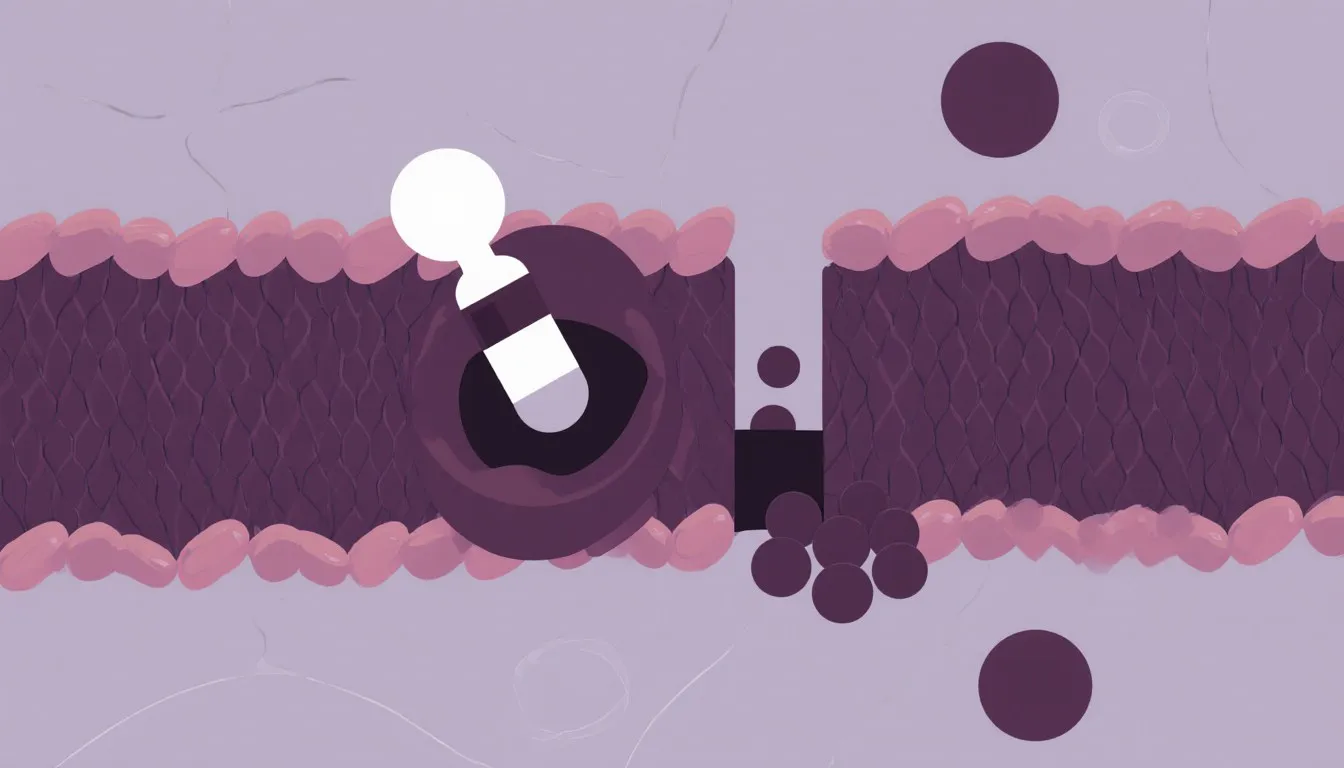
How insulin works at the cell level: what the hormone does to blood sugar, how resistance develops, and what the manufactured versions replace.
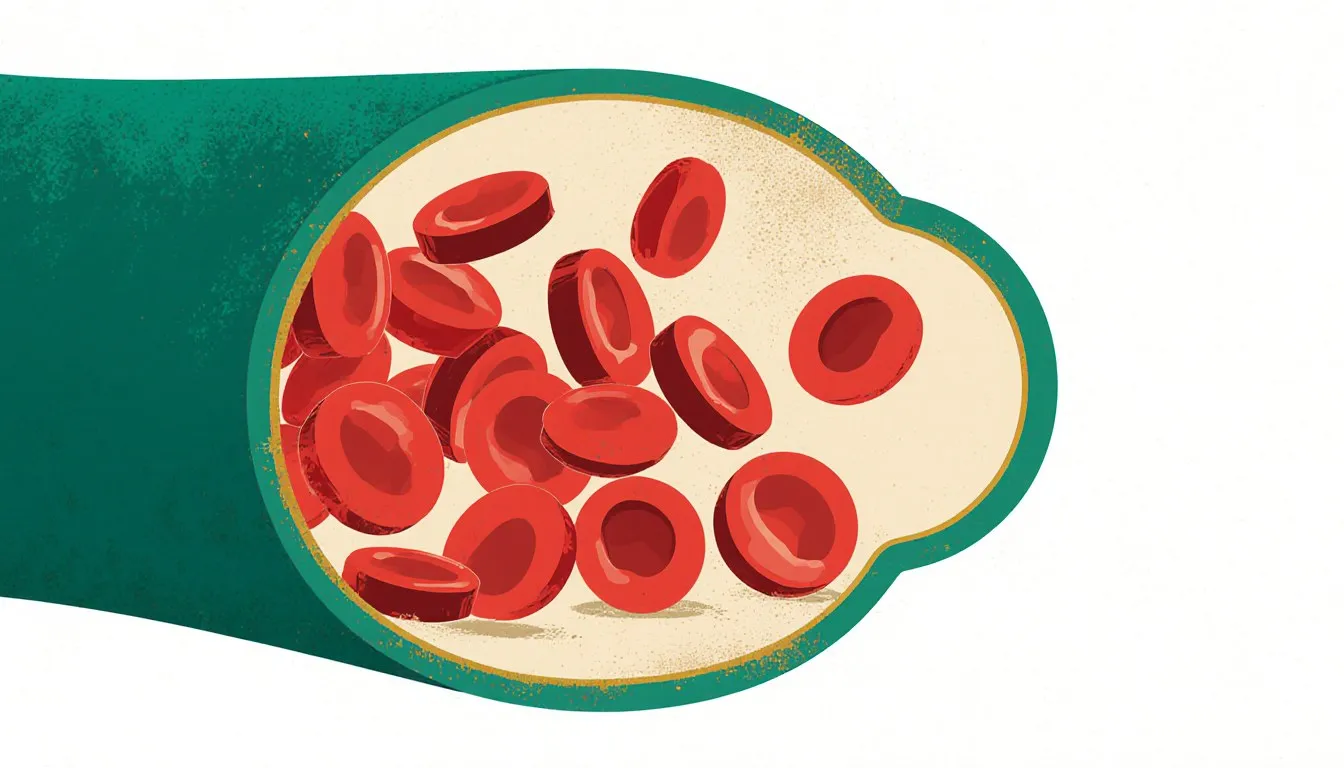
Anemia symptoms and causes explained by mechanism: why low oxygen-carrying capacity produces fatigue and pallor, and the three ways red cells run short.
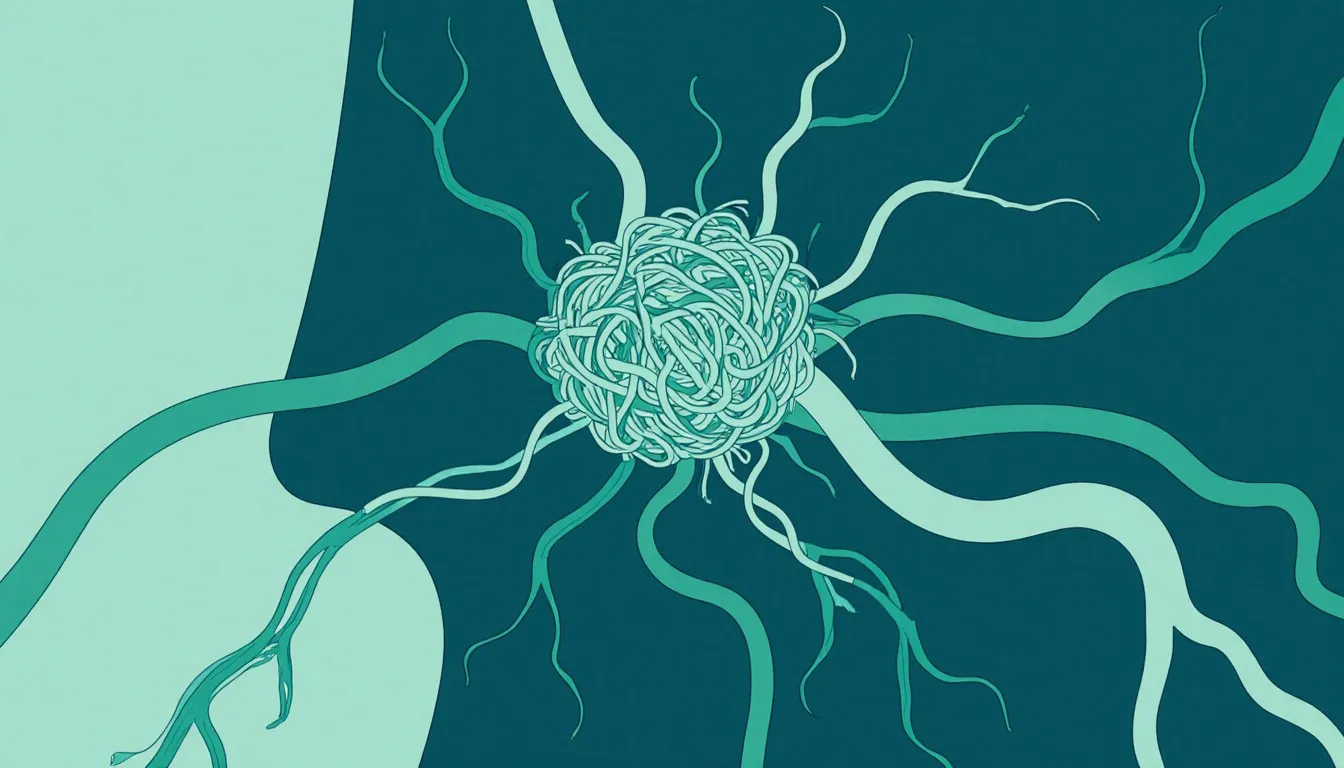
An arteriovenous malformation is a tangle where arteries feed veins directly. How a brain AVM forms, how it is graded, and what decides its treatment.

Yoga for beginners doesn’t need a studio or fancy gear, just a mat and a realistic 20-minute routine you’ll actually keep doing.
Desk exercises for your abs and core you can do between emails, some invisible to your cubicle neighbor, some best done alone.

There are four types of exercise worth knowing: cardio, strength, flexibility, and balance. Here’s how to fit all four into a realistic week.
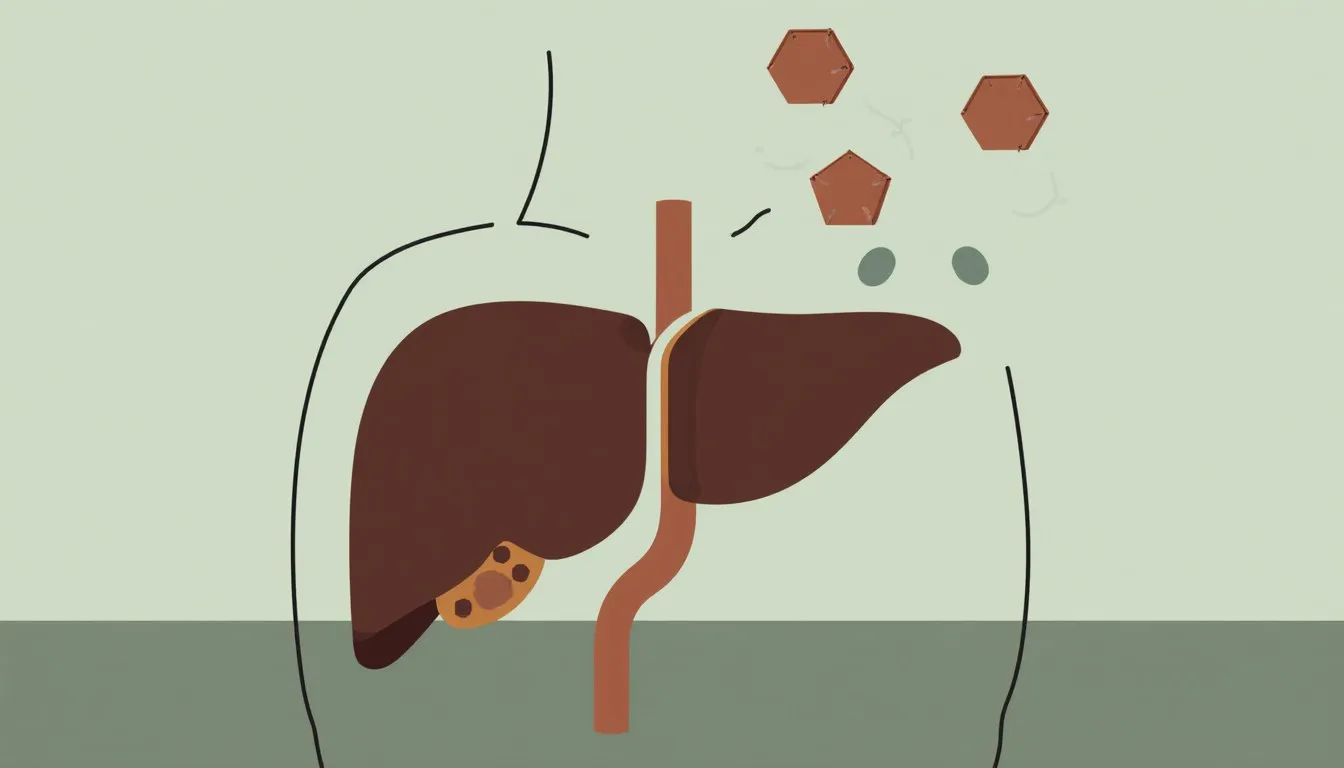
How diabetic ketoacidosis develops, the DKA symptoms and diagnosis criteria clinicians use, hospital treatment, and why euglycemic DKA is harder to spot.
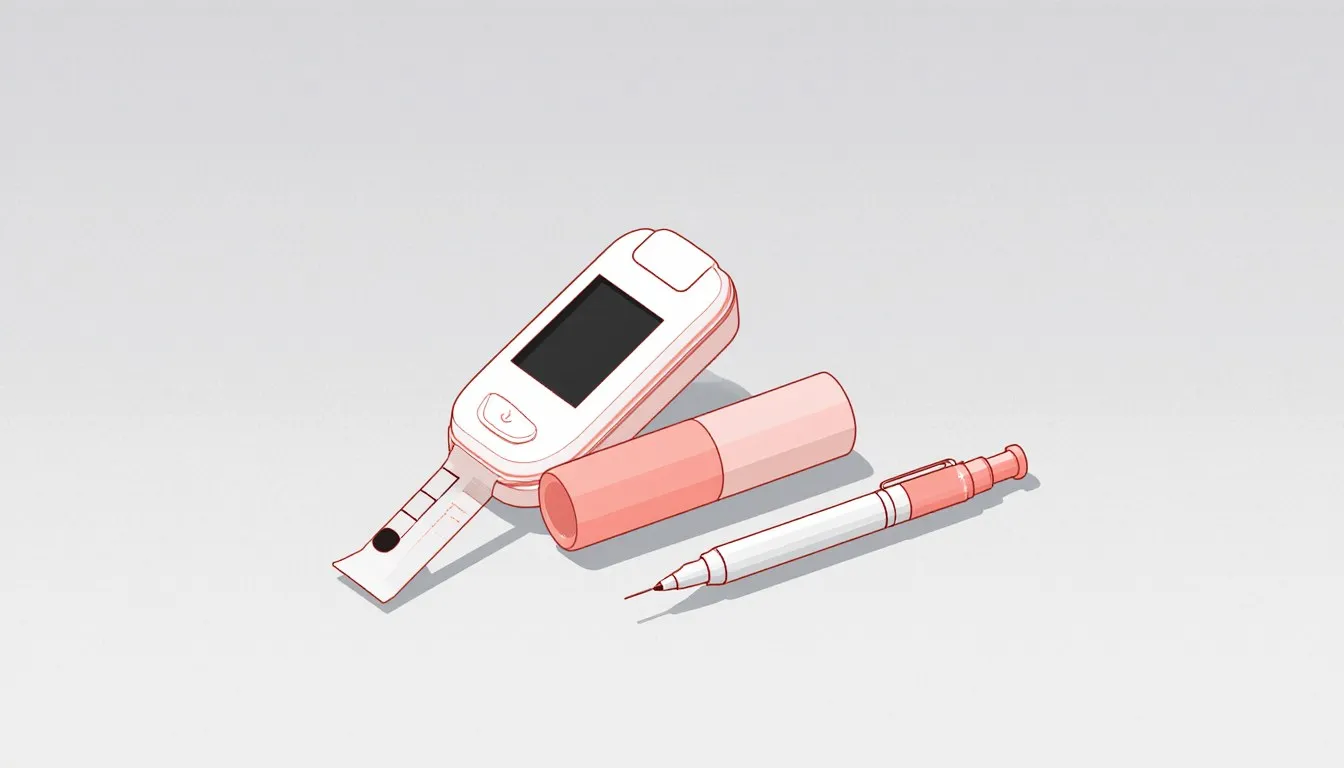
Diabetes symptoms and treatment, explained plainly: early signs, type 1 vs type 2, diagnosis, and what daily treatment really involves.
Wondering what medical abbreviations HS means on a prescription? It’s hora somni, Latin for at bedtime, and here’s why some pharmacies avoid it.

Medical abbreviations TID means three times a day on your prescription, not always every 8 hours. Here’s how to keep doses straight.
This guide to medical abbreviations AMS breaks down what altered mental status means on a chart and what to ask the care team.
Googling medical abbreviations htn at 9pm? Here’s what HTN means on a chart, where it shows up, and when it’s actually worth a call.
The HCC abbreviation in medical coding stands for Hierarchical Condition Category, a billing label that sorts an existing diagnosis for insurers.
What does BID mean on a prescription? This medical abbreviations bid guide breaks down twice-daily dosing, mix-ups, and building a real schedule.
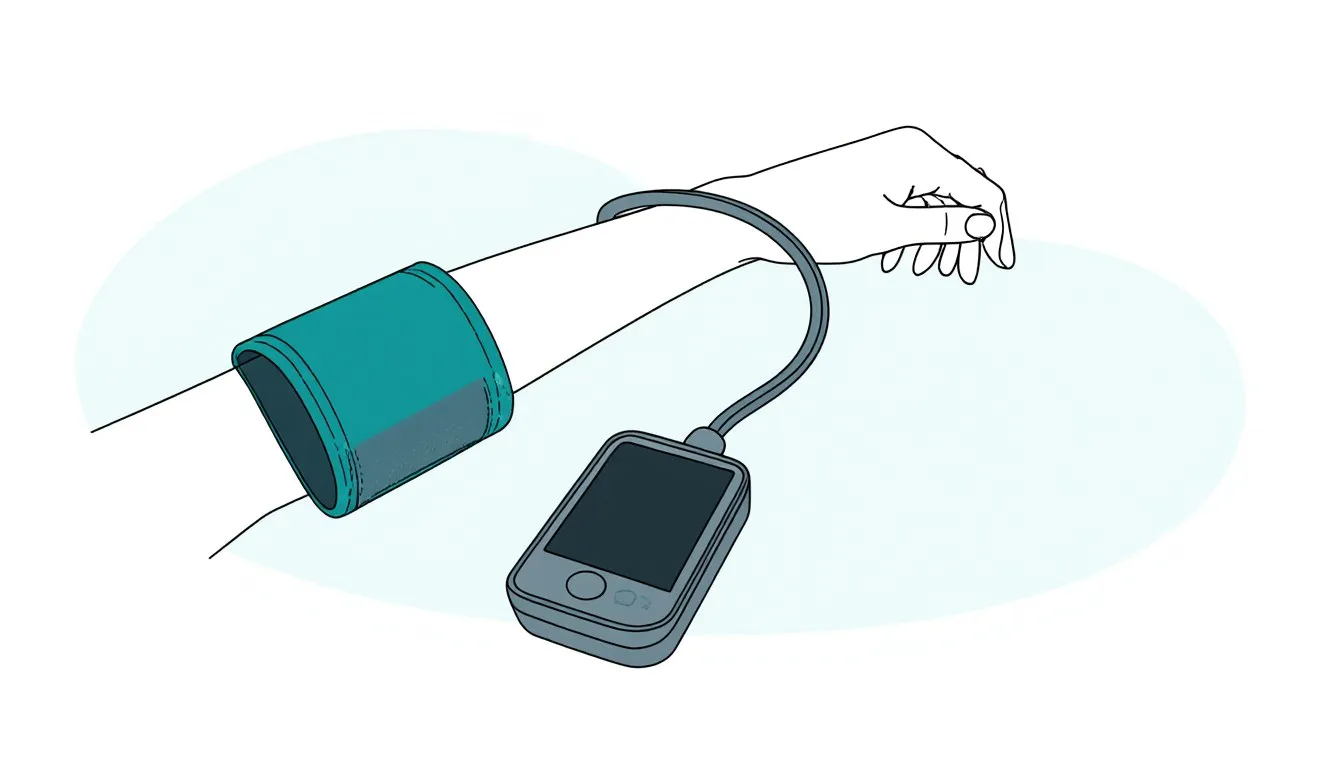
Medical abbreviations SBP just means your top blood pressure number. Here’s what it stands for, normal ranges, and when to call your doctor.
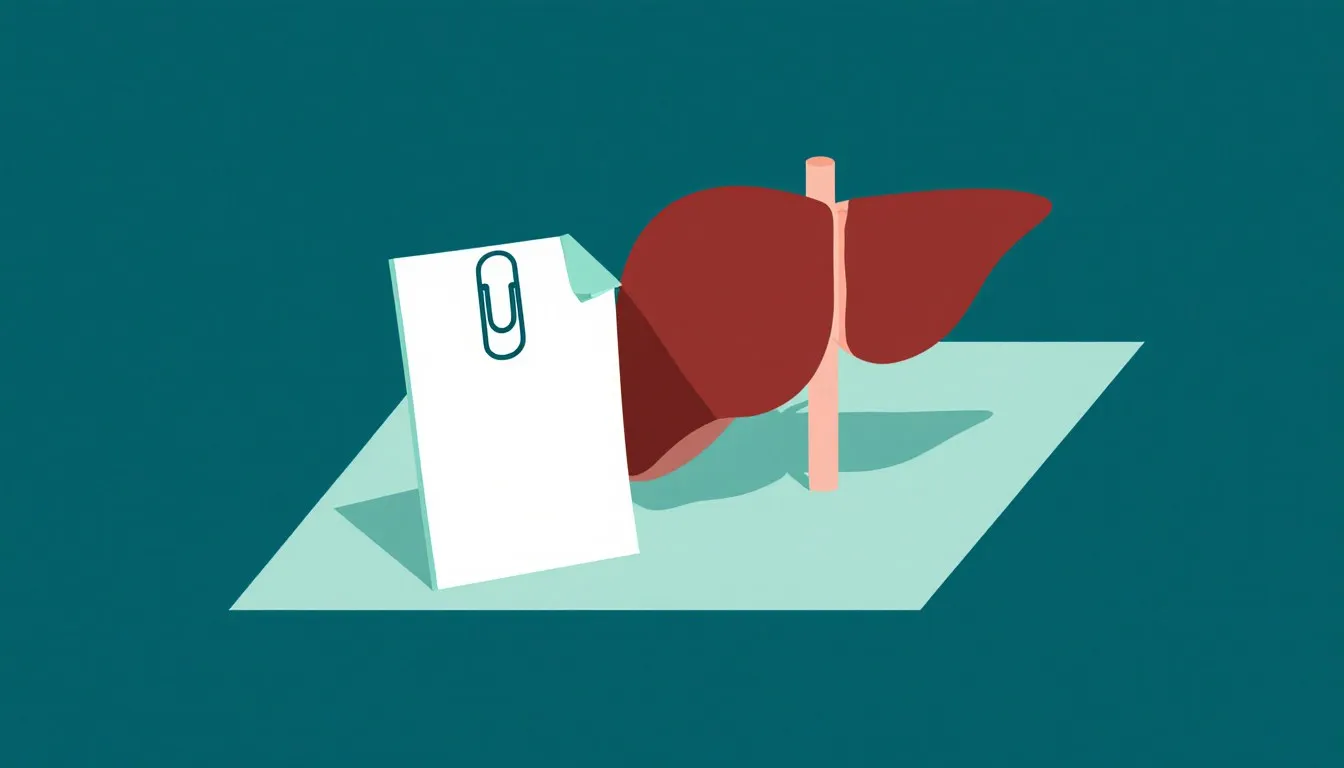
HCC can mean liver cancer or a billing code, depending on your paperwork. Here’s how to tell which one you’re looking at.
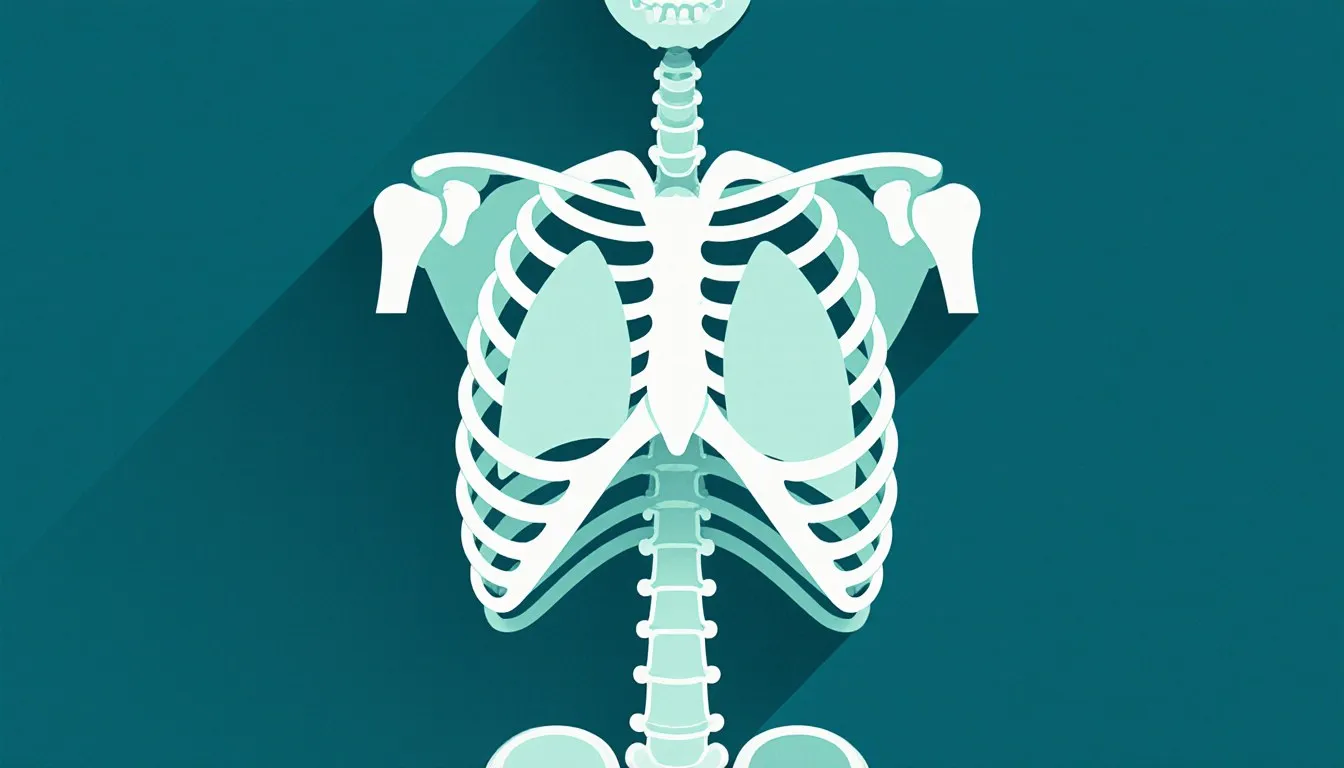
Among common medical abbreviations PNA means pneumonia on ER notes and discharge paperwork, plus what CAP, HAP, VAP, and CXR mean too.
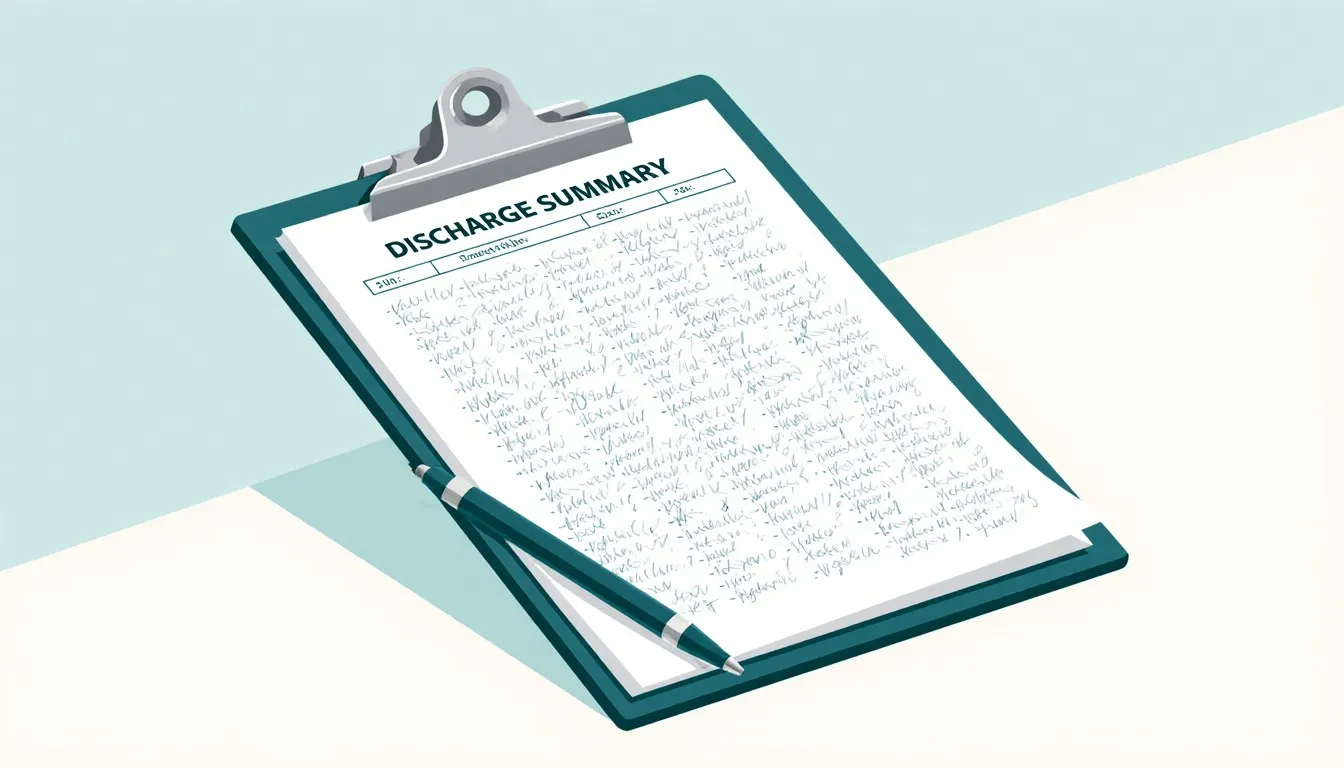
Medical abbreviations turn discharge papers into alphabet soup. Here’s how to read the dosing, vitals, and billing shorthand without guessing.
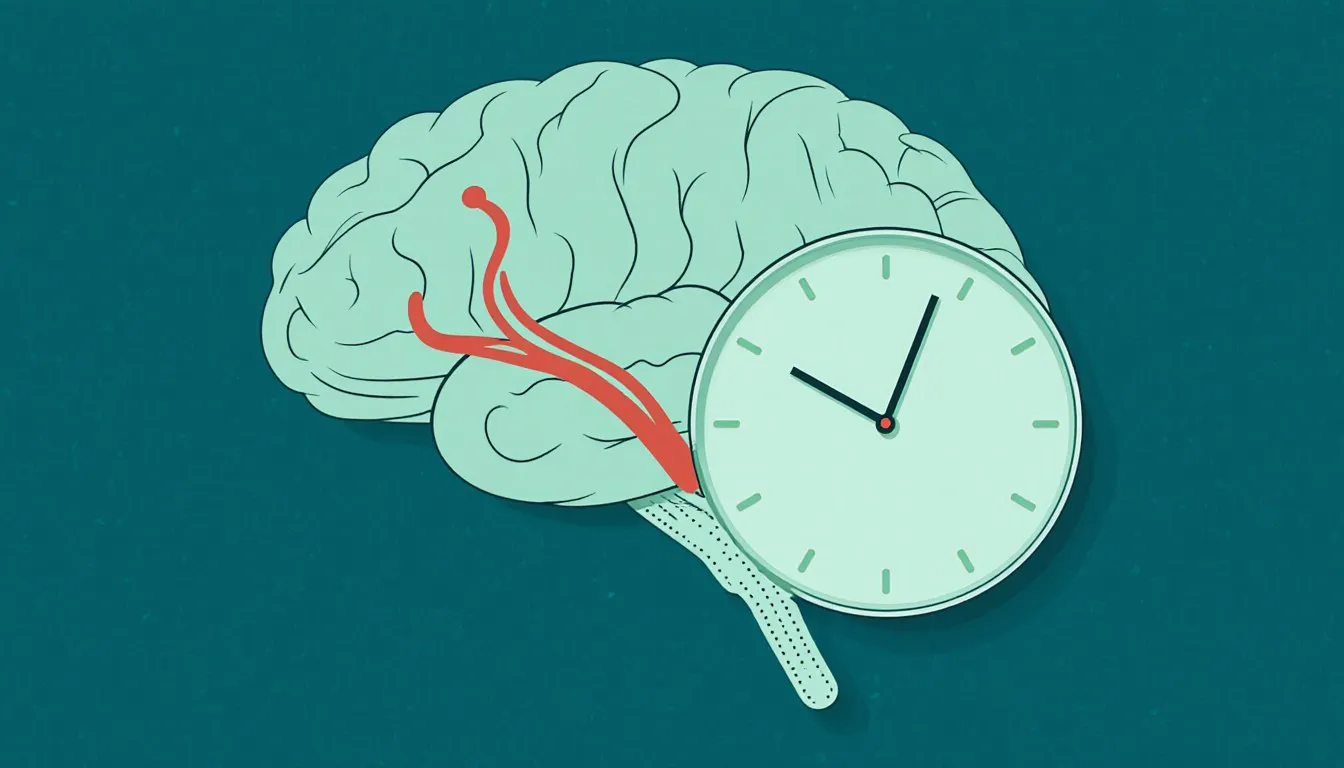
Transient ischemic attack vs stroke: same warning signs, very different outcomes. Here’s how doctors tell a TIA from a stroke, and why speed matters.

What transient ischemic attack recovery time actually looks like: the first days, energy, driving, and getting back to work.

Transient ischemic attack symptoms women notice most, exhaustion, confusion, nausea, often get missed. Here’s why it’s still an emergency.
Transient ischemic attack recovery isn’t just resolved symptoms. Here’s what the follow-up appointments, medication changes, and fear actually look like.
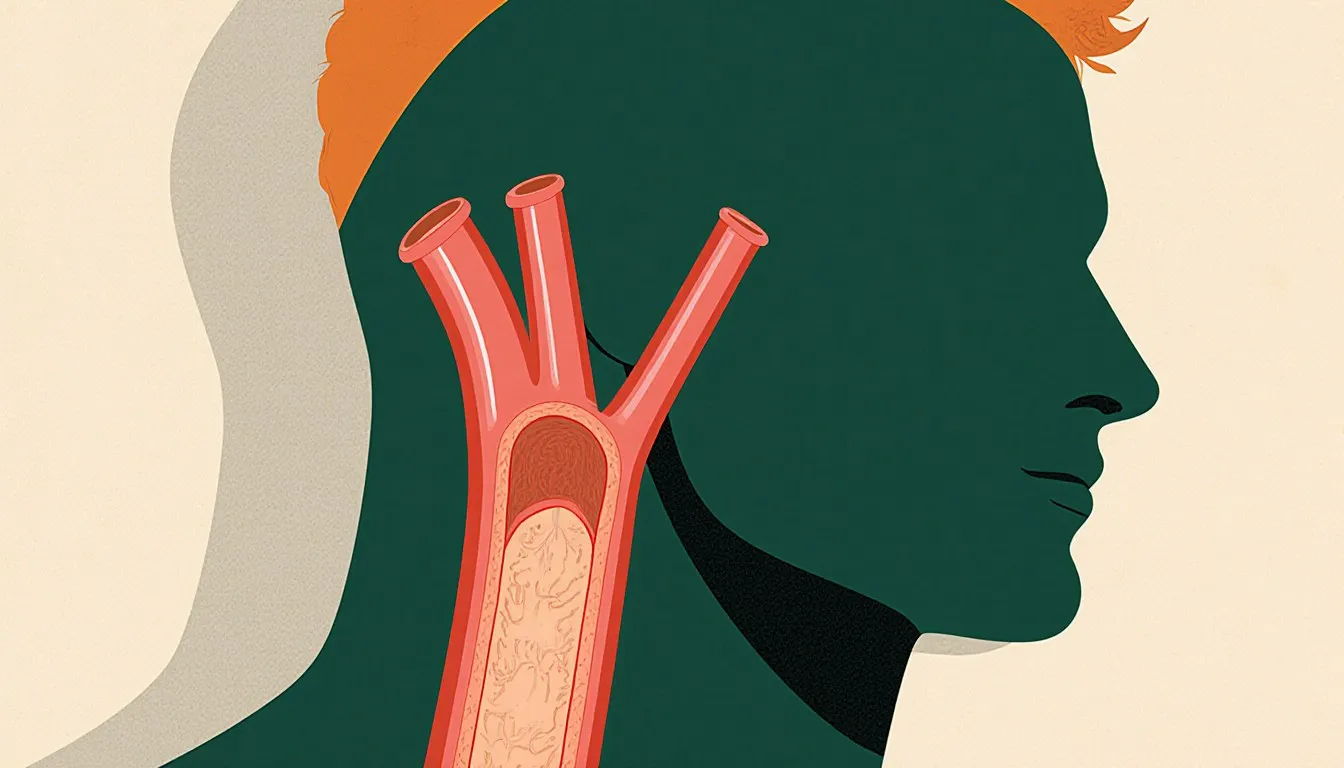
Transient ischemic attack treatment usually starts within hours: imaging, medication, and a plan to lower stroke risk. Here’s what to expect.
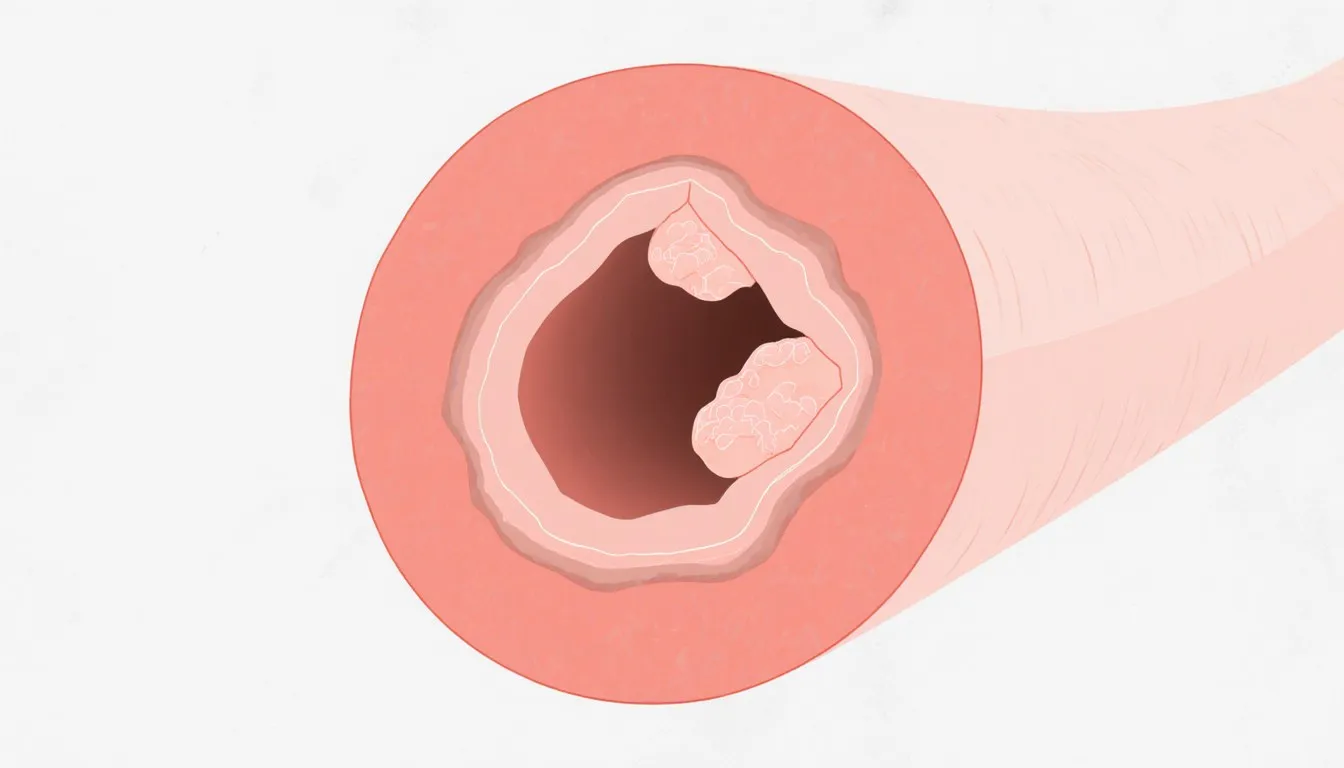
Transient ischemic attack causes range from artery plaque to an irregular heartbeat. Here’s what raises your risk, and what you can actually change.

Transient ischemic attack symptoms fade fast, which is exactly why they’re dangerous. Here’s what a TIA feels like and when to call 911.

A transient ischemic attack can pass in minutes, but calling for help right away is what lowers the risk of a stroke after.

Is a magnesium supplement safe during pregnancy? What it actually does, which forms differ, and what to ask your OB before you buy one.

The causes of magnesium deficiency go beyond diet: gut issues, alcohol, stress, certain medications, and age can all drain your levels.

Heart flutters at night? Magnesium deficiency heart palpitations are real, but here’s how to tell mild from ‘call your doctor now.’
Magnesium deficiency eye twitching is real but rarely the whole story. Here’s what causes eyelid twitches and when to actually worry.