
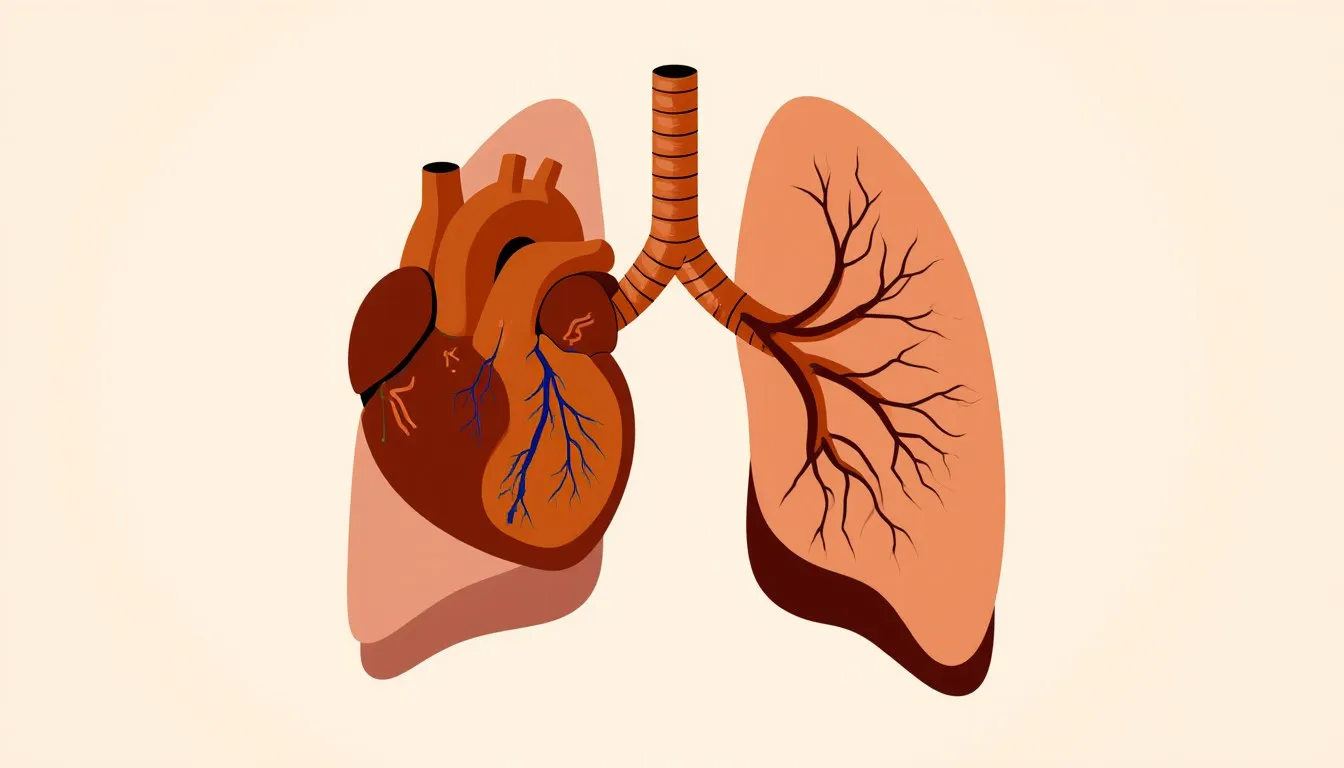
Dyspnea on Exertion: One Symptom, Several Systems, and How Doctors Tell Them Apart
Dyspnea on exertion can point to the heart, the lungs, or the blood. What causes it, how clinicians grade and test for it, and when it needs urgent care.
Staff Writer
Claire Ashworth is a health writer, not a clinician. She spent a decade turning medical literature into language patients could actually use, first for a hospital library's patient-education desk, then for reference publishers. She writes on the principle that people facing a diagnosis deserve the real explanation, not a simplified one. She will tell you what is known, what is contested, and where the evidence runs out.
Dyspnea on exertion can point to the heart, the lungs, or the blood. What causes it, how clinicians grade and test for it, and when it needs urgent care.
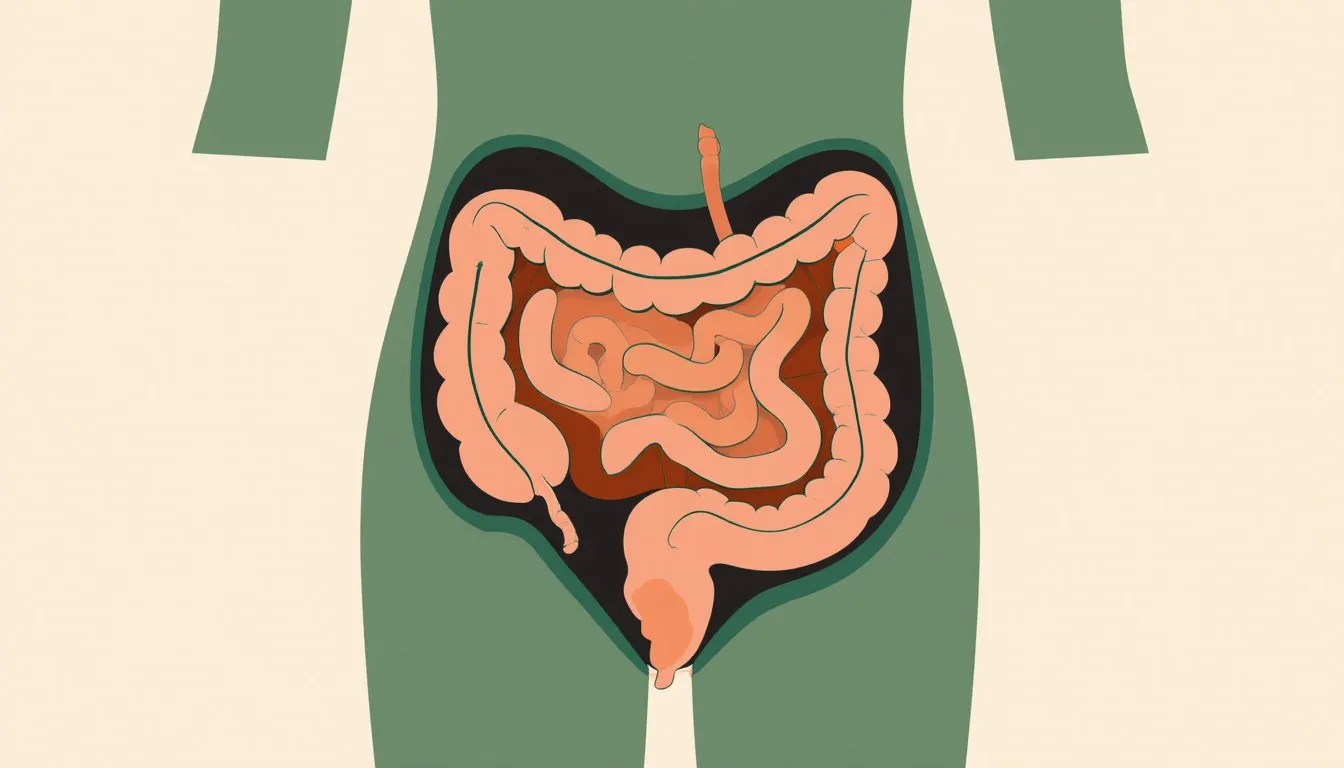
Lower abdominal pain has dozens of causes across four organ systems. What sits in the region, how doctors narrow it down, and when it is urgent.

The types of headaches doctors recognize fall into two groups: primary, where the headache is the disorder, and secondary, where it signals something else.

How insulin works at the cell level: what the hormone does to blood sugar, how resistance develops, and what the manufactured versions replace.
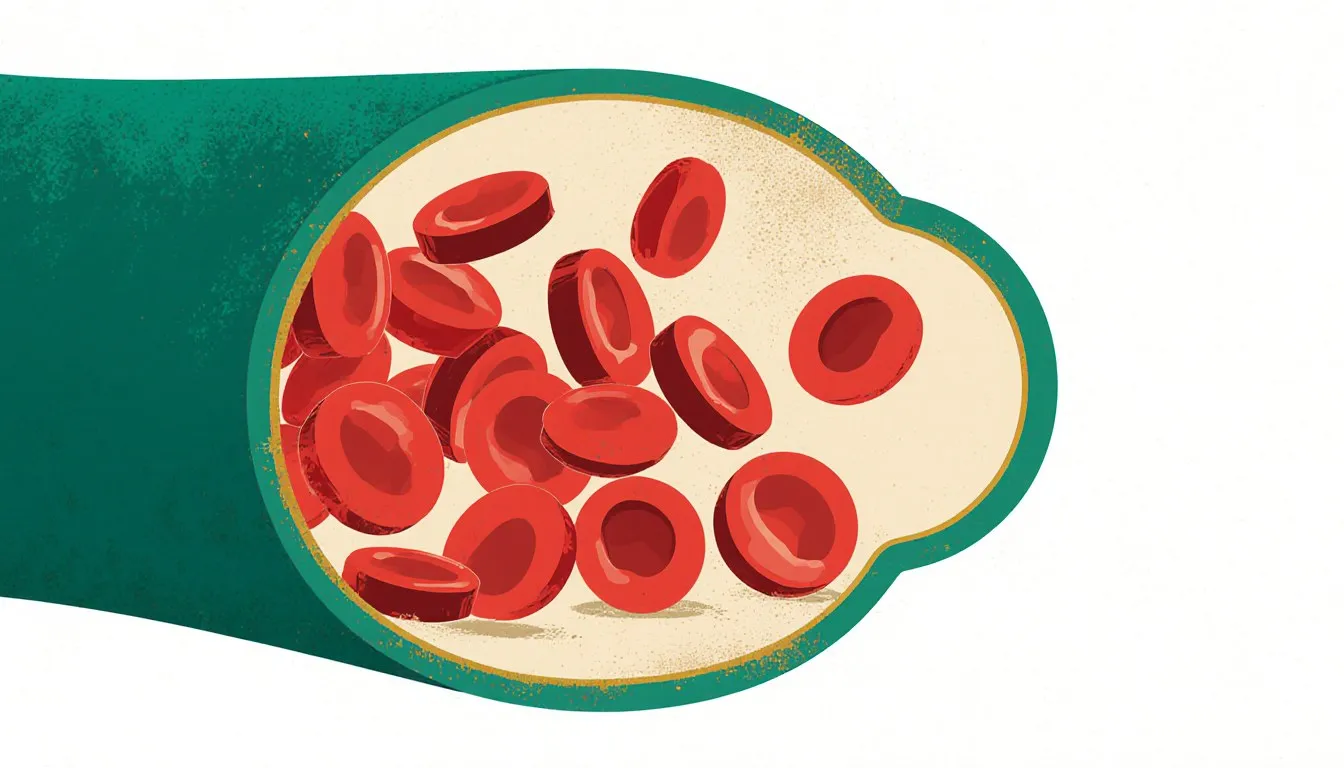
Anemia symptoms and causes explained by mechanism: why low oxygen-carrying capacity produces fatigue and pallor, and the three ways red cells run short.
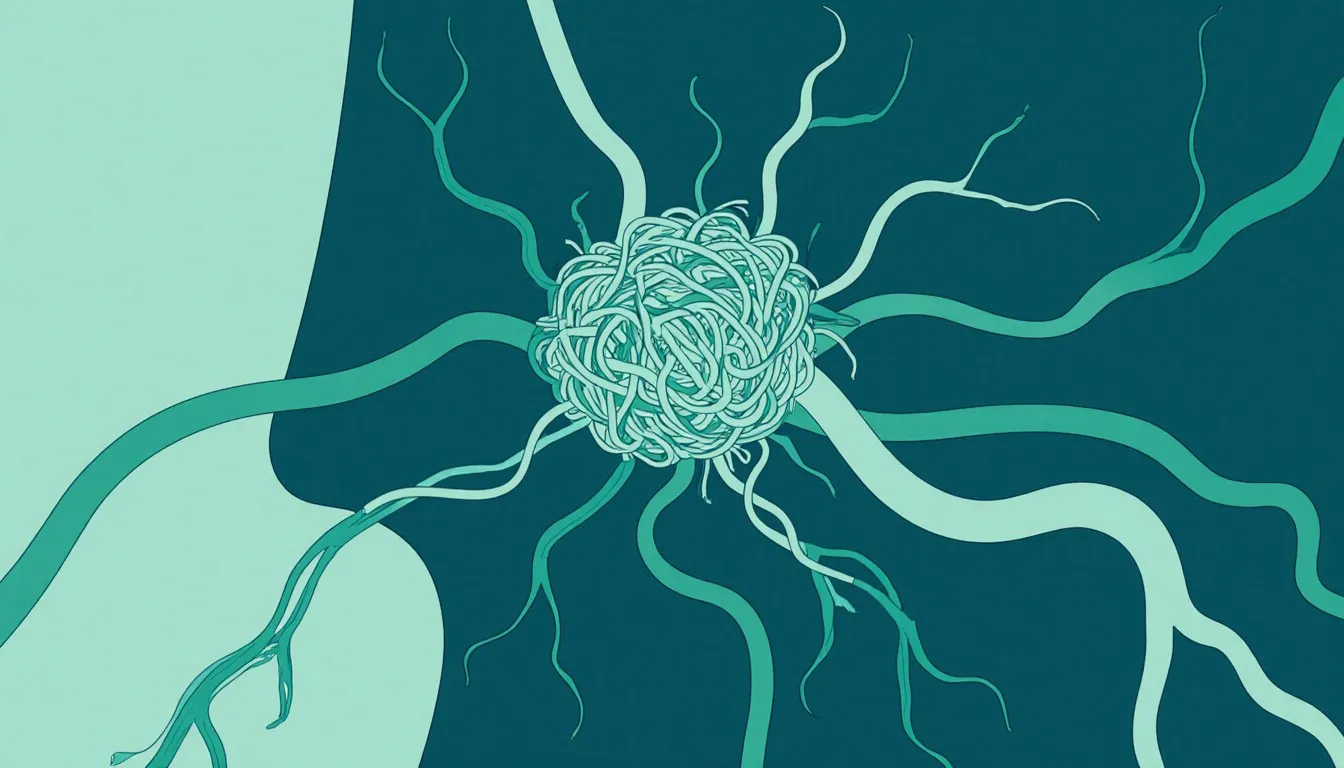
An arteriovenous malformation is a tangle where arteries feed veins directly. How a brain AVM forms, how it is graded, and what decides its treatment.
How diabetic ketoacidosis develops, the DKA symptoms and diagnosis criteria clinicians use, hospital treatment, and why euglycemic DKA is harder to spot.