Diabetic Ketoacidosis: The Chain Reaction Behind a Diabetes Emergency
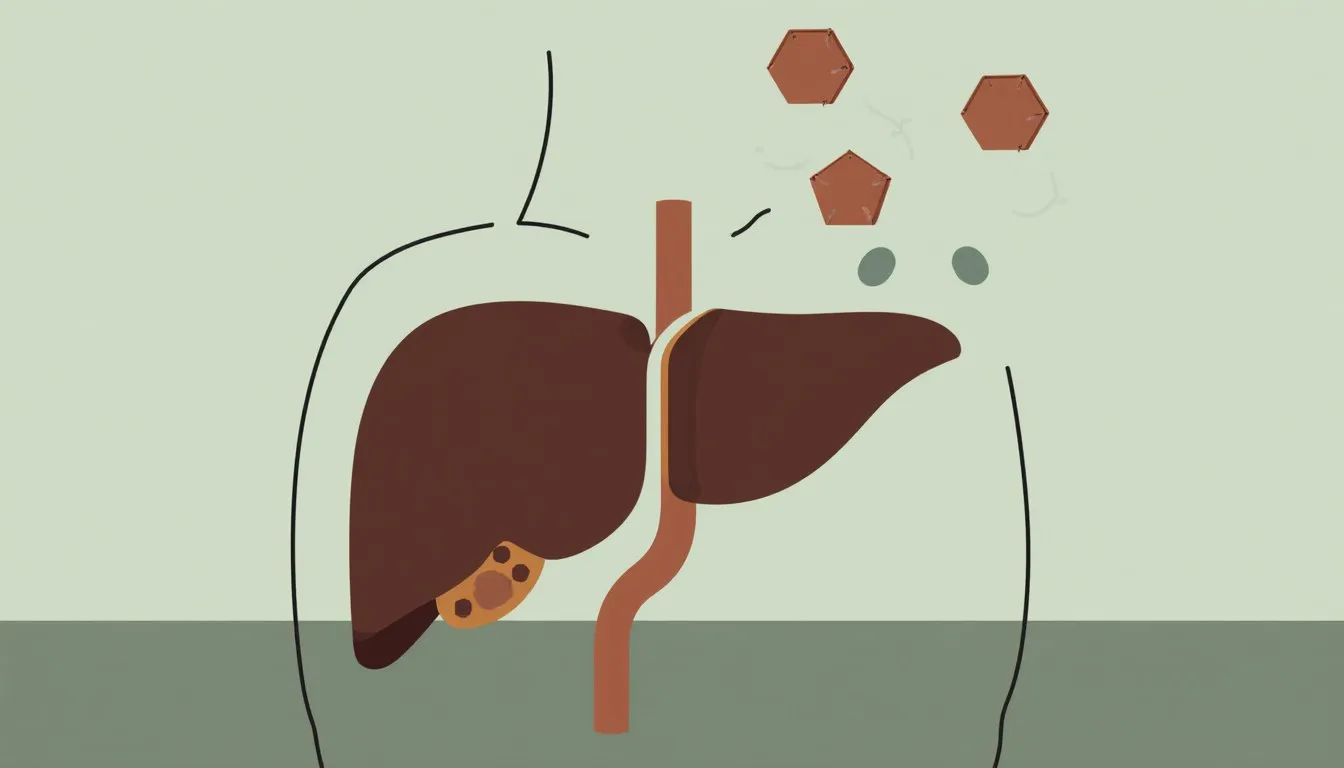
Diabetic ketoacidosis is what happens when insulin falls low enough that the body starts burning fat for fuel at emergency speed, flooding the blood with acidic ketones while blood sugar climbs at the same time. Blood glucose is high and the cells cannot reach any of it, so the tissues register starvation and the body responds accordingly. That starvation response is what turns the episode into an admission: the liver pours out ketones faster than the body can clear them, and the blood turns acidic within hours.
This article explains a medical topic in general terms. It is not medical advice, it is not reviewed by a clinician, and it cannot account for your individual case. Decisions about your own diagnosis or treatment belong with your doctor.
What follows: the mechanism in the order it unfolds, what sets an episode off, how the diagnosis is actually made once someone reaches an emergency department, the standard inpatient protocol, and the version clinicians have been paying more attention to over the last decade, in which blood sugar barely rises at all.
What is diabetic ketoacidosis?
DKA is an acute buildup of acid in the blood, caused by a severe shortage of insulin, in someone with diabetes. Three things have to be present together for the label to apply: high blood glucose (in most cases), ketones in the blood or urine, and measurable acidosis, meaning the blood’s pH has dropped below its normal range.
That third element is what separates DKA from ordinary hyperglycemia. Blood sugar can run high for days or weeks without any acid accumulating, because even a small amount of circulating insulin is enough to keep fat breakdown in check. Once acidosis joins the high glucose and the ketones, the clinical picture changes. The falling pH alters breathing, heart rhythm, and level of consciousness. Correcting it takes intravenous fluid, an insulin infusion, and repeat bloods in a monitored bed.
It is worth naming the other emergency it gets confused with. Hyperosmolar hyperglycemic state is more common in type 2 diabetes. It brings much higher glucose readings and profound dehydration, with little or no ketone production. Enough insulin remains to hold fat breakdown in check, so the acid never builds. The two conditions overlap at the edges and can occur together, but they are not the same event and are not managed identically.
How does DKA actually develop in the body?
Insulin’s day job is to let glucose out of the bloodstream and into cells. Without enough of it, glucose accumulates outside the cells that need it, and the tissues inside register an energy shortage. If you want the fuller picture of that transport mechanism, how insulin works has its own detailed explanation.
The body has a well-rehearsed answer to an energy shortage, and it deploys it here. Fat is broken down into fatty acids and sent to the liver, which converts them into ketone bodies, chiefly beta-hydroxybutyrate and acetoacetate. Ketones are legitimate fuel. The brain runs on them during prolonged fasting, and the modest ketosis produced by very low carbohydrate diets is generally regarded in the nutrition literature as a different, self-limiting process in people who make their own insulin.
The difference in DKA is quantity and brakes. In ordinary fasting, low blood sugar keeps the whole process modest and self-limiting. In DKA, the counter-regulatory hormones are all elevated at once. These are the hormones that push blood sugar up whenever the body senses a shortage: glucagon, cortisol, catecholamines, and growth hormone. Together they drive fat breakdown and prompt the liver to make still more glucose, with almost no insulin present to restrain either. Ketone production runs far past what the body can use or clear.
Beta-hydroxybutyrate and acetoacetate are acids. As they accumulate, the blood’s buffering systems are overwhelmed and pH falls. The body compensates by breathing off carbon dioxide, which produces the deep, sighing respiratory pattern named after Adolf Kussmaul, whose 1874 description predates insulin’s discovery by nearly fifty years. Acetone, a byproduct, is volatile and leaves through the lungs, which is the source of the sweet or fruity breath odour that shows up in every symptom list.
Meanwhile the high blood glucose is pulling water into the urine. The kidneys dump glucose, and water follows it, along with sodium, potassium, and other electrolytes. By the time someone reaches hospital, the dehydration is often the more immediately dangerous half of the picture, and it is why treatment starts with fluid rather than insulin.
What triggers an episode?
DKA is usually precipitated by something identifiable, and finding that something is part of the hospital workup rather than an afterthought. The triggers most consistently reported in the literature:
- Missed, reduced, or interrupted insulin: the most common trigger in people already diagnosed with type 1 diabetes. Causes range from pump failure and infusion set problems to running out of supplies, and cost-driven rationing appears in the data as a distinct and troubling category.
- Infection or acute illness: pneumonia, urinary tract infections, and gastroenteritis are frequent culprits. Illness raises counter-regulatory hormones, which increases insulin requirements at exactly the moment appetite and fluid intake collapse.
- New-onset type 1 diabetes: in a meaningful share of cases, DKA is how the diagnosis is made. The person had no idea they had diabetes until the episode brought them in.
- Other acute physiological stress: heart attack, stroke, pancreatitis, major trauma, and surgery all appear as precipitants.
- Certain medications: corticosteroids and some antipsychotics raise glucose and insulin requirements. SGLT2 inhibitors carry a specific and unusual association, covered below.
A recognisable share of episodes have no identified trigger at all. That holds up even in series where the workup was thorough, and it is part of why recurrence is difficult to predict from cause alone.
What are the symptoms of DKA?
The symptoms reported across case series follow the mechanism closely, which makes them easier to hold in mind than a memorised list. They typically develop over hours to a day or two, faster in children and faster still when insulin delivery stops completely, as with a pump failure.
From the fluid loss: heavy thirst, frequent urination, dry mouth, and weakness. From the acidosis: nausea, vomiting, abdominal pain (which can be severe enough to mimic a surgical abdomen and has occasionally led to unnecessary operations), and the deep laboured breathing described above. From the acetone: fruity or sweet-smelling breath, though clinicians note it is not detectable by everyone. From the combined effect on the brain: confusion, drowsiness, and in advanced cases reduced consciousness.
Two things about this list deserve saying plainly. It is a description of what a population reports, and none of these symptoms is specific to DKA on its own. Vomiting and abdominal pain have a hundred causes. What makes the combination meaningful is the diabetes context, and the question is settled by laboratory results: blood ketones, a blood gas, and an electrolyte panel.
How do doctors diagnose DKA?
The diagnosis rests on three measurements taken together, and the order in which they arrive shapes the first hour of care.
Blood glucose is checked first because it takes seconds. In most cases it is elevated, and the glucose threshold written into the diagnostic criteria has been lowered in recent consensus guidance, so the figure that counts as high enough is no longer the one older references quote. A normal or near-normal reading does not exclude the diagnosis, for reasons taken up in the next section.
Ketone testing confirms fat breakdown is under way. Blood beta-hydroxybutyrate testing is now preferred over urine ketone strips, and the reason is a nice piece of biochemistry: urine strips detect acetoacetate, not beta-hydroxybutyrate, and beta-hydroxybutyrate is the dominant ketone in acute DKA. As treatment works, beta-hydroxybutyrate converts back to acetoacetate, so urine ketones can appear to worsen while the patient is genuinely improving. Blood measurement avoids that trap.
Blood gas analysis establishes the acidosis itself, giving pH and bicarbonate. Arterial sampling was long the standard; venous gases are now widely accepted for this purpose in many centres and spare the patient an arterial stick.
Alongside these, a metabolic panel supplies the anion gap, which is the calculation doing the real interpretive work. Take the positive ions the lab measures, sodium and sometimes potassium. Subtract the negative ones it measures, chloride and bicarbonate. Blood is electrically neutral, so anything left over in that arithmetic points to acids nobody measured directly. Here those acids are the ketones. A raised anion gap is the fingerprint of ketoacidosis, and its closure is one of the markers used to decide the episode has resolved.
These values also sort the episode by severity, generally into mild, moderate, and severe categories defined by pH, bicarbonate, and mental status. That grading exists to steer clinical decisions about monitoring intensity and where the patient is admitted. It is presented here as reference for understanding a chart or a discharge summary, where the severity label usually sits alongside the pH and bicarbonate figures that produced it.
One more result matters more than its blandness suggests. Serum potassium usually reads normal or even high on arrival, while total body potassium is badly depleted, because acidosis drives potassium out of cells and into the blood before the kidneys excrete it. The number on the screen is misleading by design, and treatment has to account for the depletion the number is hiding.
What is euglycemic DKA, and why does it matter?
Euglycemic DKA is ketoacidosis with blood glucose below the usual diagnostic threshold, sometimes barely above normal. Everything else about it, the ketones, the acidosis, the dehydration, the risk, is the same. Only the glucose reading, the single number both patients and clinicians lean on hardest, has gone quiet.
It has always existed in specific circumstances: pregnancy, prolonged fasting or vomiting, heavy alcohol use, and severely restricted carbohydrate intake all reduce the glucose rise without preventing ketone production. What changed its clinical profile was the arrival of SGLT2 inhibitors, a class of drugs that lowers blood sugar by making the kidneys excrete glucose in the urine. The mechanism keeps working while ketones accumulate, so glucose is being flushed away even as acid builds up.
The class carries regulatory warnings about ketoacidosis risk. Perioperative and acute-illness protocols exist to settle whether the drug keeps running through an operation or an infection, and the answer differs between two people on the same tablet. Absolute risk in people with type 2 diabetes taking them appears low; it rises with off-label use in type 1 diabetes, which is one reason approval for that use has been restricted or withdrawn in several jurisdictions.
What makes euglycemic DKA worth a section of its own is the delay it introduces. Case reports describe people arriving with vomiting and abdominal pain and a glucose reading that nobody would flag on its own, and hours lost before anyone checked ketones. The corrective set out in the guidance is straightforward: when one of these drugs is on the medication list, ketone testing settles the question, whatever the glucose reading says.
How is DKA treated in the hospital?
Treatment is a monitored inpatient process with three simultaneous strands and no home equivalent. Describing it is useful because it explains why an admission looks the way it does, and why the timeline is measured in hours rather than minutes.
Fluid replacement comes first and often begins before insulin. Intravenous saline restores circulating volume, improves kidney perfusion so glucose and ketones can be cleared, and by itself brings blood sugar down substantially through dilution and renal excretion. Fluid deficits in adult DKA are typically several litres.
Insulin is given as a continuous intravenous infusion at a low, controlled rate, because the aim is to switch off ketone production and correct the acidosis gradually, not to drop glucose fast. Once blood sugar falls to a defined level, glucose is added to the fluids so the insulin infusion can continue clearing ketones without pushing blood sugar too low, a state called hypoglycemia. That detail catches people out. The infusion keeps running for hours after the glucose reading looks ordinary, because the ketones and the acidosis take longer to clear than the sugar does.
Potassium and electrolyte replacement runs alongside, and this is where the misleading potassium number comes due. As insulin drives potassium back into cells, serum levels can fall sharply. So protocols check potassium before insulin starts, add replacement to the fluids in most cases, and repeat the measurement often. Severe hypokalemia, meaning a potassium level that has fallen too low, disturbs the rhythm of the heart. If potassium is already low on arrival, insulin is generally delayed until it has been corrected.
Bicarbonate, the intuitive treatment for an acid problem, is deliberately used sparingly and reserved for extreme acidosis, because trials have not shown benefit at more moderate levels and it carries its own risks. Whatever precipitated the episode gets treated in parallel: cultures and antibiotics for infection, an ECG for chest symptoms, an examination for a failed infusion site.
Resolution is defined by the chemistry: acidosis corrected, the anion gap closed, ketones cleared, and the person eating again. People usually feel considerably better several hours before those numbers arrive, and feeling better does not end the treatment. Only then does the intravenous insulin stop, and it is overlapped with subcutaneous insulin before it is switched off, since intravenous insulin disappears from the body within minutes and an unbridged gap can restart the whole sequence.
Who is most at risk?
Risk concentrates in type 1 diabetes, where the insulin deficiency is absolute and any interruption in supply removes the only brake on ketone production. That association is strong enough that DKA is sometimes treated as shorthand for type 1, which is where the picture gets misleading.
DKA does occur in type 2 diabetes, typically under acute physiological stress such as serious infection, heart attack, or surgery, and in longstanding type 2 diabetes where insulin production has declined substantially. There is also a recognised presentation described most often in people of African and Caribbean descent. Someone arrives in DKA and looks at first like a new case of type 1 diabetes. Insulin production then recovers far enough that they can manage without injections. It is generally called ketosis-prone type 2 diabetes, and it exists precisely because the neat division between the types is less absolute than the textbook version. The broader distinction between the types is covered in the wider guide to diabetes symptoms and treatment.
Children and adolescents carry particular weight in the epidemiology. Type 1 diabetes commonly presents in this age group, and a substantial share of pediatric cases arrive already in DKA at the moment of diagnosis, before anyone knew diabetes was present. Adolescence brings its own pattern of recurrent episodes, and the contributing factors documented in that literature are insulin omission, mental health difficulties, disordered eating, and the cost or availability of supplies. Each one stops insulin reaching the bloodstream for long enough that ketone production restarts.
People taking SGLT2 inhibitors form the newest group, for the reasons set out above. Pregnancy is a further one, since DKA can develop there at lower glucose levels and with less warning than outside it.
What is the outlook after a DKA episode?
With prompt treatment, most episodes resolve and most people recover fully. Mortality in adults in well-resourced healthcare systems is low, generally reported in the low single-digit percentages. Much of that risk traces back to the illness that set the episode off, such as sepsis or a heart attack. Age and severe coexisting illness raise it. Delay in reaching treatment raises it more.
The complication that dominates pediatric practice is cerebral edema, swelling of the brain, which affects a small fraction of children treated for DKA but accounts for a large share of the deaths and lasting harm in that group. Its causes are still argued over, with fluid administration rates long suspected and more recent trial evidence complicating that assumption. For years the fluid explanation was repeated with more confidence than the evidence behind it supported. Current pediatric protocols reflect that unsettled state.
Recurrence deserves honest treatment. A sizeable proportion of DKA admissions are repeat presentations, and the strongest predictors identified in the research are interrupted access to insulin, mental health conditions, substance use, and gaps in follow-up care. All four interrupt either the supply of insulin or the contact with the people managing it. Episodes are also expensive, and DKA accounts for a disproportionate share of diabetes-related hospital costs. What that pattern says about where prevention effort should go is a question for health systems, and it is discussed more openly in the literature than it usually is in a clinic room.
When is DKA a medical emergency?
DKA is always a medical emergency and always requires urgent hospital assessment. The standard published guidance is that a person with diabetes who has vomiting, abdominal pain, rapid or deep breathing, drowsiness or confusion, or a positive ketone test alongside high blood sugar needs immediate emergency care rather than a routine appointment. Confusion, reduced consciousness, or difficulty breathing warrant emergency services.
That is the entirety of the triage guidance this article will offer, because judging any individual presentation against it is clinical work, and no article can do it from here.
Questions worth asking your care team
The mechanism of DKA is settled science and has been since the biochemistry was worked out decades ago. What remains genuinely open is narrower and more interesting: the optimal fluid strategy in children and its relationship to cerebral edema, how best to identify who is heading for a repeat episode, and how to catch euglycemic DKA earlier now that a widely prescribed drug class can mask its most recognised sign.
Questions specific to this condition that are worth taking to an appointment:
- Given my type of diabetes and my medications, what is my actual risk of DKA?
- Am I taking anything, including an SGLT2 inhibitor, that could produce ketoacidosis without a high glucose reading?
- What would you want me testing if I am unwell, and with what, given that the two kinds of ketone test measure different things?
- What is your sick-day plan for me, and who do I contact, at what point, when I am unwell?
- If I have had an episode before, what did you identify as the trigger, and what has changed since?
- What is my backup if my insulin delivery fails or I cannot get supplies?
The answers depend on which type of diabetes you have, what you take, and what your own history looks like. They also move over time, which is why the same questions come back into play after a change of medication, a pregnancy, or an admission for something unrelated. A first episode at diagnosis and a fourth episode in three years produce very different answers to the same question.
Claire Ashworth
Staff Writer
Claire Ashworth is a health writer, not a clinician. She spent a decade turning medical literature into language patients could actually use, first for a hospital library's patient-education desk, then for reference publishers. She writes on the principle that people facing a diagnosis deserve the real explanation, not a simplified one. She will tell you what is known, what is contested, and where the evidence runs out.