What Diabetes Symptoms and Treatment Actually Look Like in Real Life
Getting your blood sugar checked usually starts with something ordinary. A callback from a routine physical where a nurse says your fasting glucose came back “a little high.” A summer where you’re drinking water constantly and still feel parched by 10am. A cut on your foot that’s taking three weeks to close up instead of three days. It’s a nagging symptom, checked out weeks or months after it started, that usually gets the ball rolling. If that’s you right now, or you’re trying to understand what’s going on with someone you love, here’s the whole picture in one place: what diabetes actually is, what it feels like, how doctors figure out what’s happening, and what day-to-day life with it really involves.
I want to say up front: this is general information, not a diagnosis, and definitely not a substitute for the actual doctor’s appointment. But if you’ve got ten tabs open right now trying to piece this together at 11pm, I’d rather give you the calm, organized version than let you keep scrolling.
What sends most people to get their blood sugar checked?
Usually one of three things. The first is a routine screening, bloodwork done for something totally unrelated, like a physical for a new job or a checkup before starting a medication, and a fasting glucose or A1C number comes back flagged. No symptoms at all. This is the most common way prediabetes and even early type 2 diabetes get caught, because the early stages can be quiet enough that nothing feels obviously wrong.
The second is a slow accumulation of symptoms that a person explains away for weeks. You’re peeing more than usual and chalk it up to drinking more water for your “health.” You’re tired in a way that coffee doesn’t touch and blame a bad month at work. You’ve lost a little weight without trying and figure it’s stress. Individually, none of these feel like an emergency. Together, over a few weeks, they’re a pattern worth paying attention to.
The third is more sudden. It mostly applies to type 1 diabetes, especially in kids and younger adults. Symptoms show up fast, over days rather than months, and can escalate quickly: nausea, breathlessness, confusion. That situation isn’t a “wait and see” one. More on that distinction in a minute.
What’s the difference between type 1, type 2, and prediabetes?
This is the part that trips people up the most, because all three involve blood sugar, but they’re pretty different conditions with different causes and different timelines. Here’s the plain-language version of each.
Type 1 diabetes
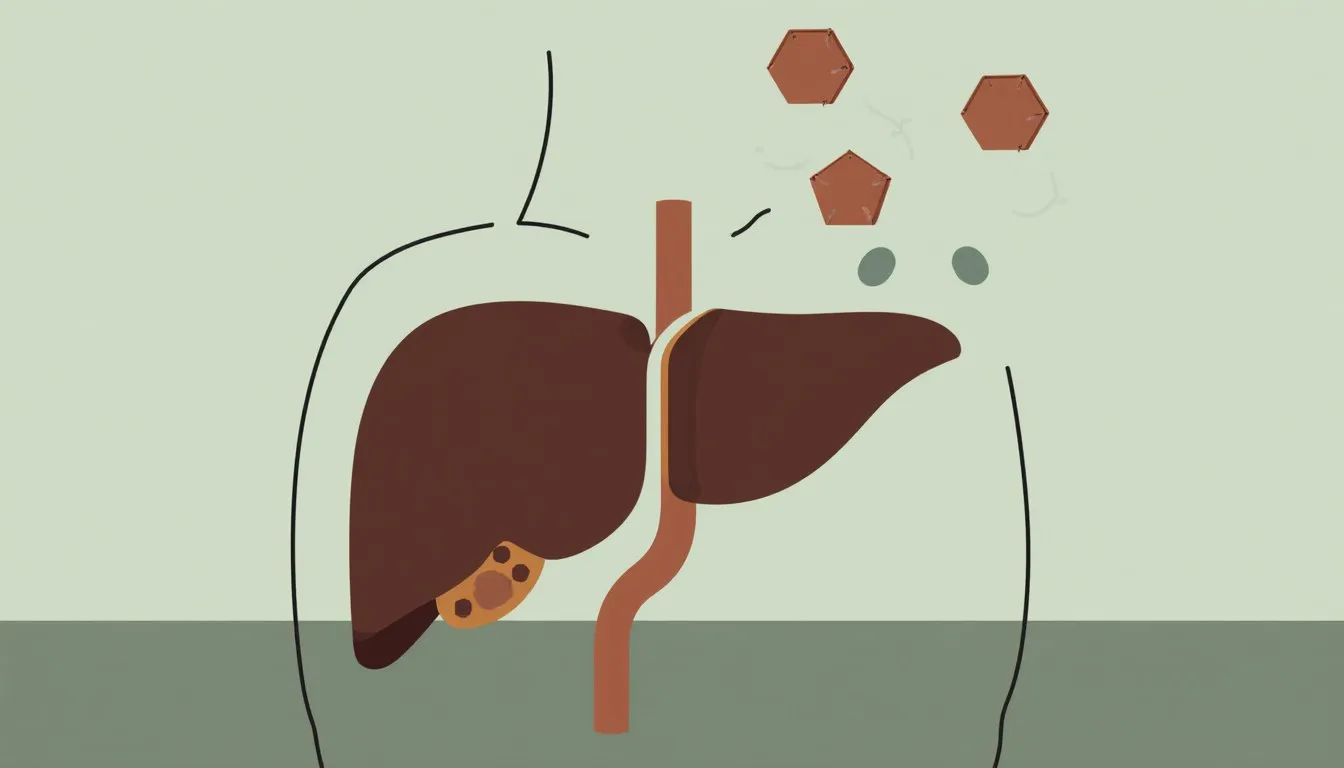
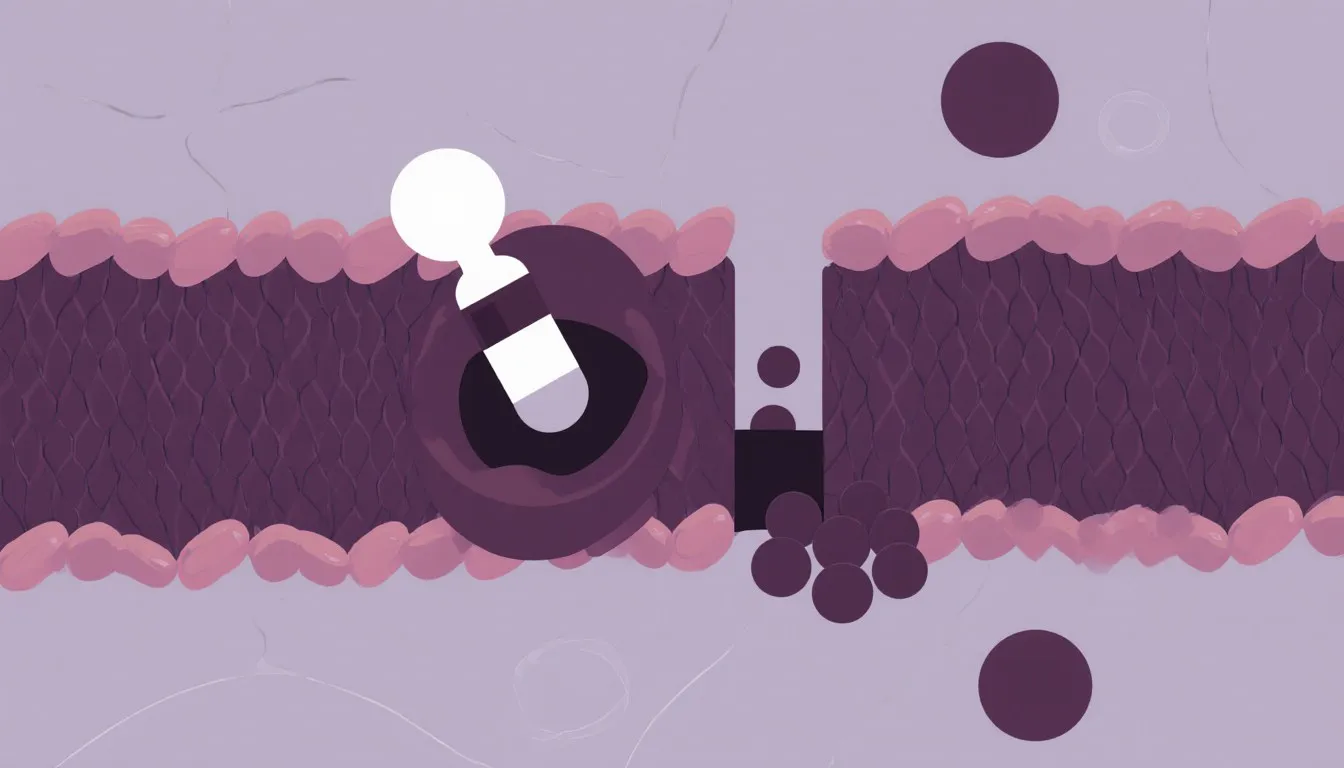
Type 1 is an autoimmune condition. The immune system, for reasons that aren’t fully understood, attacks the cells in the pancreas that make insulin, the hormone that lets sugar move out of the bloodstream and into your cells for energy. Once those cells are damaged enough, the body simply can’t produce insulin on its own anymore, or produces very little. If this is the one you or your kid just got, it’s not caused by diet or weight or lifestyle, and no amount of better habits would have changed the outcome. It most often shows up in children, teens, and younger adults, though it can appear at any age, and once it’s here, it requires insulin for life. That’s a lot to absorb in one appointment, and it’s completely normal to still have questions days later about how insulin itself works in the body.
Type 2 diabetes
Type 2 is the far more common of the two, and it develops differently. The body still makes insulin, sometimes plenty of it, but the cells stop responding to it the way they should. That’s called insulin resistance, and it means sugar builds up in the blood even though insulin is present and knocking on the door. Over time, the pancreas can wear itself out trying to compensate, and insulin production may drop too. Type 2 tends to develop gradually, often over years, and it’s shaped by a mix of genetics, age, and lifestyle factors, which we’ll get into next. If this is the one that applies to you, that gradual timeline is worth knowing: it’s part of why routine bloodwork catches so many cases early, often before you’d notice anything was off.
Prediabetes
Prediabetes is the in-between zone: blood sugar is higher than typical but not high enough to be called diabetes yet. Prediabetes works like an early warning light on the dashboard, a heads-up while there’s still time to act. It’s useful information to have, because prediabetes is the stage where doctors most often emphasize daily habit changes, diet, movement, sleep, as the first line of response. A lot of people never feel a single symptom of prediabetes. It’s caught almost exclusively through bloodwork, which is part of why routine checkups matter more than they get credit for.
What causes diabetes in the first place?
This is the section I most want to handle carefully, because so much of the public conversation about diabetes, especially type 2, comes loaded with blame. That’s not accurate, and it’s not fair.
For type 1, the cause is autoimmune, the body’s immune system misidentifying insulin-producing cells as a threat and attacking them. Researchers believe genetics plays a role in who’s susceptible, and some kind of environmental trigger, possibly a virus, may set the process off in people who carry that susceptibility. But there is no lifestyle choice, no food, no amount of exercise that causes or prevents it. I say this every time it comes up because I still hear people ask a parent “what did you feed them” about a type 1 diagnosis, and it’s both wrong and unkind.
For type 2, several risk factors tend to stack up together: genetics, age, weight, activity, sleep, and stress rarely act alone. Family history and genetics matter a lot, if a parent or sibling has type 2, your own risk is meaningfully higher, regardless of what you eat for breakfast. Age plays a role, since insulin sensitivity tends to decline over the decades. Insulin resistance itself can develop from a combination of genetics, hormonal shifts, certain medications, and yes, patterns around body weight, activity level, and diet, all of it sitting alongside genetic and metabolic factors nobody chooses. Conditions like polycystic ovary syndrome and a history of gestational diabetes during pregnancy also raise risk. So does chronic stress and poor sleep, which don’t get talked about nearly enough in this conversation.
Type 2 diabetes usually builds from a slow accumulation of risk factors: some inherited, some environmental, some behavioral, stacking up on a system that was already working harder than it should have to. Nobody “gives themselves” diabetes by having a rough few years or liking sugar in their coffee. That framing matters, because shame keeps people away from the doctor’s office longer than they should stay away.
What do the classic diabetes symptoms actually feel like?
Medical lists tend to read like a checklist: increased thirst, frequent urination, fatigue, blurred vision, slow-healing wounds. True, but not exactly vivid. Here’s what those actually feel like day to day, because recognizing the lived version matters more than recognizing the clinical term.
- Constant thirst that water doesn’t fully fix. Not “it’s hot out” thirsty. More like you’re finishing a full bottle of water and still feel a little dry twenty minutes later, repeatedly, for days.
- Peeing a lot more than usual, including at night. This one and the thirst above are connected: extra sugar in the blood pulls extra water with it as the kidneys try to filter it out, so you’re up two or three times a night when that never used to happen.
- Fatigue that doesn’t track with your sleep. You got a normal night’s rest and you’re still dragging by 2pm, in a heavier, foggier way than a regular tired day.
- Blurred vision that comes and goes. Not a gradual prescription change, more like your focus is oddly inconsistent day to day, because shifting fluid levels in the eye can temporarily affect the lens.
- Cuts, scrapes, or blisters that take noticeably longer to heal. A cut that would normally close up in under a week is still an open, slow-healing thing two or three weeks in.
- Unexplained weight loss, particularly for type 1, where the body starts breaking down fat and muscle for energy because it can’t get sugar into cells without insulin.
- Numbness or tingling in the hands or feet, more often a sign that blood sugar has been elevated for a while rather than an early symptom.
- Increased hunger, even shortly after eating, because cells aren’t getting the fuel from that food that they’re supposed to.
A few of these on their own, especially thirst or fatigue, are easy to explain away with weather, stress, or a bad week. It’s the combination, and the fact that it doesn’t resolve after a few good nights of sleep or a less stressful week, that’s the actual signal worth paying attention to.
When is it time to actually call a doctor?
I’m not big on alarmist “if you feel X, panic” content, so let me give you the realistic version instead of the scary one.
Any combination of these symptoms, especially if they’re new or not going away, is worth a call to your doctor’s office or a nurse line. You don’t need to time it against a calendar first or decide for yourself how serious it is. A clinician can ask a few quick questions and tell you whether bloodwork now makes sense or whether it’s something to watch together, and a five-minute phone call settles that faster than an hour of searching symptoms ever will.
Some symptoms move faster from “keep an eye on it” to “call today.” Rapid, unexplained weight loss. Vision that’s changed noticeably over a short window. Numbness or tingling that’s new and persistent. Any of the milder symptoms showing up in a child, since type 1 in kids can progress quickly.
And there’s a smaller, more urgent tier that’s worth knowing regardless of whether you think diabetes applies to you: nausea and vomiting alongside the thirst and fatigue, breath that smells unusually fruity or acetone-like, confusion, or difficulty breathing. That combination can point to diabetic ketoacidosis, a genuine medical emergency, most often but not exclusively in undiagnosed or poorly managed type 1 diabetes. That’s an urgent care or ER situation, not a “wait for Monday’s appointment” one.
How do doctors diagnose diabetes?
There isn’t one single test doctors use, there are a few, and which one gets ordered often depends on your situation and your doctor’s usual approach.
The A1C test is probably the one you’ll hear about most, and it’s honestly the easiest one to show up for. It’s a blood draw that doesn’t require fasting, so you can eat breakfast and have your coffee beforehand, and instead of measuring your blood sugar at one moment, it estimates your average blood sugar over roughly the past two to three months by looking at how much sugar has attached itself to your red blood cells. The actual draw takes about a minute. It’s popular because it’s convenient: one stick, no prep, no fasting window to plan your morning around, and it smooths out the noise from what you happened to eat that morning.
Fasting glucose is the classic test: a blood draw after roughly eight hours without eating, which shows where your blood sugar sits at its baseline, without any recent meal in the picture. It’s simple, well established, and over in about as long as it takes to sit down and roll up a sleeve. The one thing to actually plan for is the fasting window. Skip the coffee with cream on the way in, since that’s the most common way people accidentally throw off their own results and end up rebooking.
The oral glucose tolerance test, or OGTT, is the one that actually eats up part of your morning, so it helps to know what you’re walking into. A fasting blood draw first, then a sugary drink that tastes like flat, extra-sweet soda, then a wait in the office, then a second blood draw a couple hours later to see how your body handles and clears that sugar load. Bring a book or a phone charger. It’s used less often for a general screening and more in specific situations, pregnancy screening being the big one, since gestational diabetes has its own diagnostic pathway. If you’ve been putting off any of these because the blood draw itself makes you queasy, say so at the front desk, they deal with that every day. It’s also fine to just ask your doctor which test they’re ordering and why before you book it.
Doctors will often confirm results with a second test on a different day before making a diagnosis official, since a single number can be thrown off by illness, stress, or plenty of other short-term factors. I’m intentionally not going to hand you the specific cutoff numbers here. Interpreting them is a doctor’s territory, and a single number without that context can cause more anxiety than clarity. What matters for you right now is knowing these tests exist, knowing they’re simple and quick, and knowing that getting the actual numbers explained by an actual doctor is the right next move.
What does treatment actually look like day to day?
This is the part people worry about most before they’ve lived it, and I get why, “diabetes treatment” sounds heavier in your head than it tends to feel once it’s just part of a normal week.
For most people, day-to-day management has three layers, though not everyone needs all three, and it depends heavily on which type of diabetes you’re dealing with.
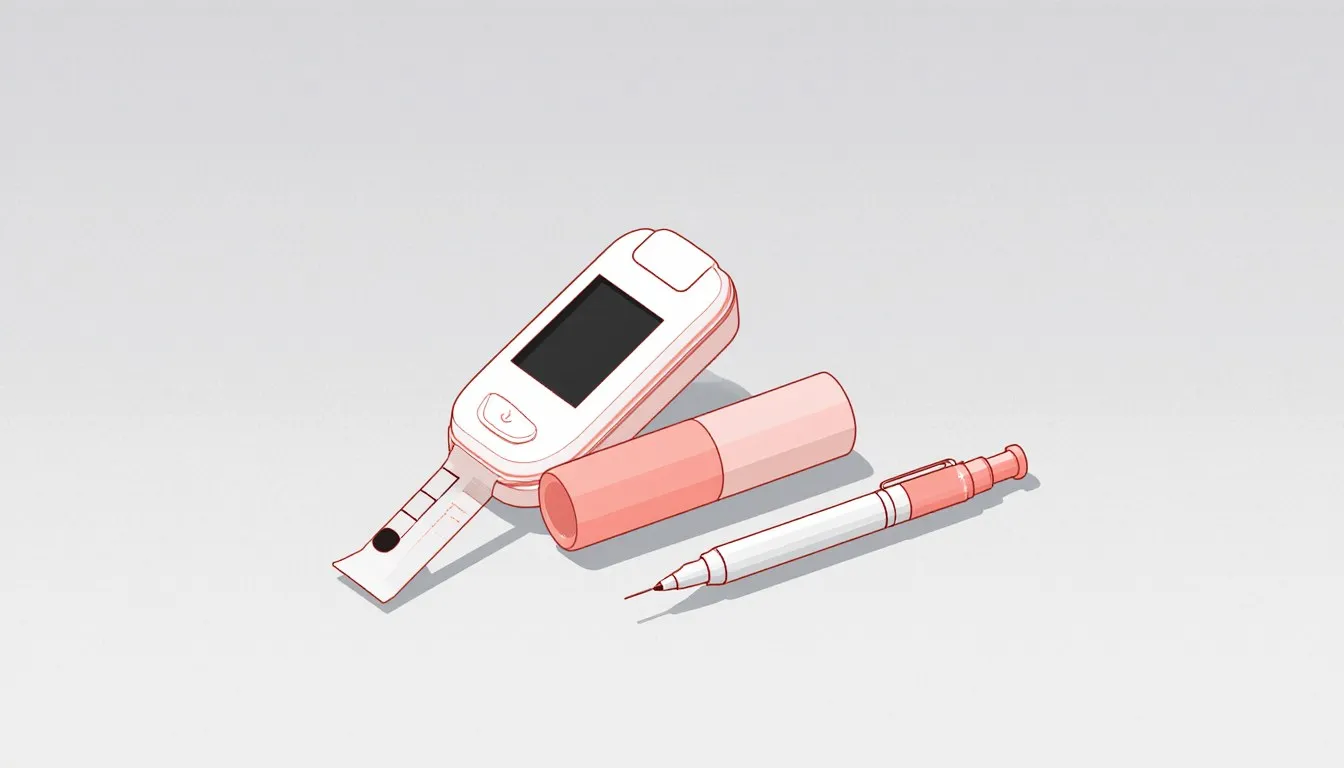
Monitoring. In practice, this means checking blood sugar levels, either with a traditional finger-prick meter a few times a day (the prick itself takes about a second, the anticipation is usually worse than the poke), or increasingly with a continuous glucose monitor, a small sensor worn on the arm or belly that tracks levels around the clock and sends readings to a phone. The first sensor change trips a lot of people up. It feels strange the first time and boring by the third. A CGM changes the day-to-day experience for a lot of people managing type 1, turning “guess how you’re doing” into a glance at your phone throughout the day.
Medication. For type 2, doctors have several medication options, and which one fits your situation, and how it might change over time, is a conversation with your clinician rather than something to work out from an article. For type 1, medication isn’t optional in the same way. Insulin is required, since the body can’t produce it on its own.
Insulin. Everyone with type 1 needs it, delivered either through injections or a wearable pump. Some people with type 2 need it as well, particularly if the condition has progressed or other medications aren’t managing things well enough on their own. This section stays high level on purpose. How insulin works in the body, the types, the timing, the delivery methods, is a meaty topic on its own, more than a rushed paragraph here could cover fairly.
What surprises a lot of newly diagnosed people is how quickly this becomes routine rather than a constant crisis. It’s closer to brushing your teeth than to a medical event, once the first few weeks of adjustment pass. It still takes real effort some days, the ordinary kind: remembering a dose, changing a sensor, noticing how you’re feeling.
What lifestyle changes actually move the needle?
I want to be really clear about the role these play: lifestyle habits support medical treatment, they don’t replace it, especially for type 1, where no amount of walking after dinner substitutes for insulin. With that said, for prediabetes and type 2 in particular, daily habits genuinely matter, and the realistic version of “good habits” is a lot smaller than the wellness industry makes it sound.
- Movement, not a gym membership. A 20 to 30 minute walk after a meal helps muscles pull sugar out of the bloodstream more efficiently. A walk around the block counts, and that’s most of it.
- Meal timing and composition over strict elimination. Pairing carbs with protein or fiber, and not going long stretches without eating and then eating a huge meal, tends to keep blood sugar steadier than any single “banned food” list.
- Sleep. Chronically short or poor-quality sleep raises insulin resistance, which is honestly under-discussed compared to diet advice. If you fix nothing else this month, protecting seven-ish hours of sleep is quietly one of the higher-leverage changes available.
- Stress management, in whatever realistic form that takes for you, because stress hormones directly raise blood sugar. This doesn’t need to be a meditation app, a short walk, a call with a friend, or ten minutes of doing genuinely nothing counts.
Managing diabetes well comes down to a few low-friction habits that support the medical side of treatment, plus showing up for those habits most days rather than perfectly every day. Treatment plans are built around that ordinary consistency.
Is managing diabetes expensive?
I’m not going to hand you a made-up dollar figure here, because the honest answer is that it varies enormously based on a handful of specific factors, and a fake number would do you more harm than good.
A few specific things drive the cost up or down. Insurance matters most: whether you have it, and how good that coverage is for chronic condition management. Treatment type matters too. Insulin tends to be the most expensive piece of the puzzle, while oral medications like metformin are generally far more affordable, especially in generic form. Monitoring equipment matters too, a basic finger-prick meter and test strips sit at one end of the cost spectrum, while a continuous glucose monitor sits considerably higher, though many insurance plans now cover CGMs for people who meet certain criteria. Frequency of doctor visits and lab work adds up as well, particularly in the first year after diagnosis when things are being fine-tuned.
The realistic range genuinely runs from “quite manageable” for someone on metformin with solid insurance and no complications, to “a real financial strain” for someone managing insulin-dependent diabetes without adequate coverage. If cost is a real worry for you right now, that’s a completely legitimate thing to raise directly with your doctor’s office and your insurance provider before you’re locked into a specific treatment plan, patient assistance programs exist for a lot of medications, and it’s worth asking about them out loud rather than assuming they don’t apply to you.
What’s a realistic first step if you suspect something’s off?
The realistic first step is smaller than you’d think, and it fits in one sentence.
If any of this sounded familiar, the honest, doable next step is to book a bloodwork appointment. That’s it. You don’t need to have your symptoms perfectly organized first, and you don’t need to have already changed your diet or started exercising differently to “deserve” to go in. A doctor can order an A1C or fasting glucose test from a single conversation, and that single result will tell you more than a week of Googling symptoms ever will.
If you want a slightly more prepared version of that first step, jot down for the next week or so when you’ve noticed thirst, bathroom trips, fatigue, or any of the other things from the list above, and roughly how often. Bring that with you. It turns “I’ve just felt off lately” into something specific a doctor can actually work with, and it tends to make that first appointment faster and more useful for both of you.
Whatever the result ends up being, prediabetes, type 2, type 1, or nothing at all, you’ll know, and knowing is the thing that actually lets you do something useful next. Sitting with the not-knowing is the hardest part, so if you’ve been putting off that call, let this be the nudge to just make it.
This is general wellness information, not medical advice. Talk to a healthcare professional about your specific situation.
Maya Ellison
Staff Writer
Maya Ellison writes about living a little better on an ordinary budget and an ordinary schedule: the small, doable changes that actually stick. She is a fan of the 20-minute version of everything and deeply suspicious of any wellness plan that requires a spare $400.