L-Arginine Rich Foods: The Real, Buildable Grocery List
Here’s the thing that trips people up: every supplement bottle, every protein powder tub, every article about nitric oxide says “L-arginine,” but half the nutrition charts floating around just say “arginine” like the L isn’t there. It is. And it matters, sort of, but maybe not in the way you’re bracing for. The short answer is that L-arginine is simply the form of this amino acid your body makes, your food contains, and your muscles actually use. There’s no separate “L-arginine foods” category hiding somewhere that regular arginine foods don’t count for. If a nutrition label or a food database lists arginine content, that’s L-arginine. You’re not missing a memo. You just found out the label writers are more careful than the average recipe blog.
What Does the “L” in L-Arginine Actually Mean?
Pull a bottle of L-arginine off a supplement shelf and there’s rarely a word of explanation for why that letter is even there. Here’s the short version. Amino acids come in two mirror-image shapes, the way your left and right hands are mirror images of each other, same parts, wrong-handed fit. Chemists call these L-forms and D-forms. L-arginine is the version that shows up in living things, plants, animals, your own cells, and it’s the one your body’s enzymes are actually built to grab onto and use. D-arginine exists in a lab sense, but it doesn’t show up in your dinner in any meaningful amount, and your body mostly can’t do much with it anyway.
So a supplement bottle listing “L-arginine 1,000mg” is naming the exact same molecule sitting in the chicken breast in your fridge, just isolated and measured out. When a food chart just says “arginine,” it’s taking a shortcut, because in food, arginine and L-arginine are the same thing. I spent longer than I’d like to admit assuming that L stood for something fancy before I found out it just marks which shape of the molecule you’re getting. And in food, you only ever get the one shape that counts anyway, so there’s nothing here to double-check at the grocery store. If a bottle ever does land on your shopping list, though, how to pick the best L-arginine brand is worth a few minutes before you spend the money.
Your body also makes some L-arginine on its own from other amino acids, which is why it’s called semi-essential rather than essential, and it means you’re not going to run short under normal circumstances, so it’s not something you need to lie awake tracking. But your body’s needs can outpace what it makes on its own during periods it considers demanding, like recovering from an injury or intense physical stress, which is part of why food sources still matter even though you’re not entirely dependent on them.
Which Everyday Proteins Are the Biggest L-Arginine Players?
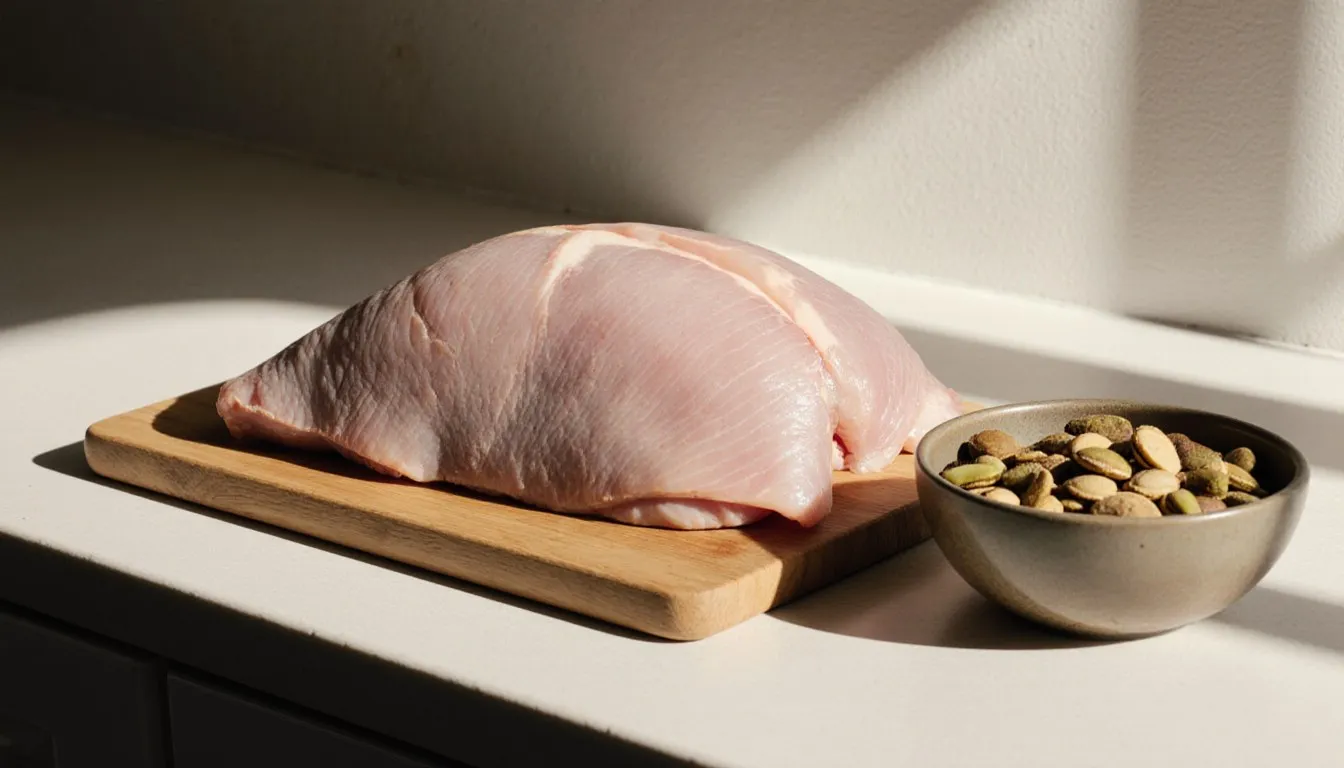
If you’re trying to get the most protein for the least money, this is where I’d point you first: chicken and turkey are about as cheap as protein gets, which makes them an easy default. Poultry and lean meats are consistently near the top of most rankings of arginine-rich foods, and turkey breast in particular punches above its weight. It’s one of the richest common sources there is, which is a little funny given that most of us only think about turkey one Thursday a year. A roasted turkey breast sandwich on a random Tuesday is doing more for your arginine intake than most people realize.
Chicken breast sits right alongside it, and pork loin isn’t far behind. These are the proteins that show up in USDA FoodData Central with some of the higher arginine numbers per serving, and they’re also just easy. Nobody needs a recipe for grilled chicken breast. That’s the appeal here: turkey, chicken, and pork loin already sit in most people’s weekly rotation, so getting more arginine into your week takes almost no extra effort.
Seafood holds its own too. Shrimp is a standout, weirdly good for something that cooks in about three minutes, and salmon brings a solid amount along with the omega-3s it’s already famous for. If you’re the type who keeps a bag of frozen shrimp for nights you didn’t plan dinner (I am absolutely that type), you’re already stocking one of the better sources without having tried.
A practical note: portion and prep matter more than people expect. A pan-seared chicken breast and a heavily breaded, deep-fried one aren’t nutritionally the same animal by the time they hit your plate, even though the base protein is identical. Simpler cooking keeps more of what you’re going for intact and keeps the calorie math from working against you.
Are Nuts and Seeds Really That Good a Source?
Yes, genuinely, and this is the category that surprises people most. Pumpkin seeds are one of the single richest sources of arginine you can buy, ounce for ounce, which means a handful tossed on yogurt or straight out of the bag is doing real work. Peanuts are right up there too, and I say this as someone who eats peanut butter out of the jar with a spoon on a schedule I’m not proud of. Walnuts round out the trio as another dependable source.
Here’s why a small handful of seeds can hold its own against a whole chicken breast: nuts and seeds are calorie-dense and protein-dense in a small footprint, so their arginine content per ounce is high even though the total serving size is tiny. A quarter-cup of pumpkin seeds weighs almost nothing on a plate compared to a four-ounce piece of turkey, but the arginine numbers land in a comparable range. That makes seeds one of the easiest, laziest ways to nudge your day’s total up, no cooking required, no plan needed. Keep a jar of pumpkin seeds on the counter and a handful becomes an afternoon habit instead of a chore.
Peanut butter deserves its own mention because it’s the version most people already have in the house. Two tablespoons on toast or stirred into oatmeal is a completely unremarkable, low-effort way to add to your day’s intake, and it’s the kind of tip I actually trust because it doesn’t ask you to buy anything new or change your morning.
Do Dairy and Eggs Pull Their Weight Here?
They do, just not as the headliners. Milk, yogurt, and eggs are steadier, smaller contributors rather than the foods that top the list, but that’s not a knock against them. Think of dairy and eggs as the foods that fill in the gaps across a day rather than the ones you’d build a meal around specifically for their arginine content.
A glass of milk with breakfast, a yogurt for a snack, two eggs scrambled on toast: none of these are going to out-arginine a serving of shrimp, but they add up, and they’re foods most people are already eating daily anyway. That’s actually the more useful way to think about this whole topic. Small, easy contributions add up across a normal day, and dairy and eggs are some of the lowest-effort ways to rack them up, since they’re already part of a normal routine and cost nothing extra in time or planning.
Greek yogurt in particular is worth calling out, since it’s higher in protein overall than regular yogurt, and higher protein generally tracks with a bit more arginine along for the ride. If you’re already a yogurt-for-breakfast person, going Greek is a free upgrade you don’t have to think about twice.
What Are the Best L-Arginine Foods If You Don’t Eat Meat?
If meat isn’t on your plate, soybeans are your strongest play, full stop. Soy is one of the richest plant sources of arginine that exists, which is part of why soy protein isolate shows up so often in plant-based protein powders. Edamame, tofu, tempeh, soy milk: all of it traces back to the same bean doing the same heavy lifting.
Lentils and chickpeas back that up as reliable, everyday options, the kind of thing you can build a whole week of meat-free meals around without repeating yourself too much. A pot of lentil soup, a bowl of hummus, chickpeas roasted and tossed on a salad: these are pantry staples that happen to be doing good work here.
Tofu deserves a specific shoutout because it’s genuinely flexible. Firm tofu takes on whatever sauce you throw at it, which means it’s an easy protein swap in almost anything you’d normally make with chicken. Crumble it into a stir-fry, cube it into a curry, or press and bake it for something closer to a meat texture. If you’ve written tofu off because of one bad rubbery bite years ago, it’s worth giving it another shot with a good press and a hot pan, because badly prepared tofu and well-prepared tofu are basically two different foods.
Between soybeans, lentils, chickpeas, and tofu, a fully plant-based eater has just as clear a path to solid arginine intake as someone eating turkey and shrimp every night. It just takes a slightly different shopping list.
How Do You Judge Whether a Food Is “High” in L-Arginine?
I’ll be honest with you: chasing exact milligram numbers across different foods is a good way to make yourself a little crazy and not actually change what’s on your plate. The numbers you’ll find on USDA FoodData Central or similar databases shift depending on the specific cut, the growing conditions, and how something was prepared, so treating any single figure as gospel is more precision than the data actually supports.
What actually drives whether a food counts as “high” comes down to three things. First, protein density in general, since arginine is one building block among many that make up protein, so foods that are protein-dense tend to be arginine-dense too. Second, serving size, because a food can have an impressive per-ounce number and still contribute very little if you only ever eat a tablespoon of it. And third, how the food is prepared, since heavy breading, deep frying, or diluting a protein into a sauce-heavy dish all cut into the effective amount you’re getting relative to the calories you’re taking in.
When you’re standing in the aisle squinting at a label, or scrolling a database on your phone at 9pm, look at the protein grams per serving first, not just the arginine milligrams in isolation, since that’s the number that tells you something useful without needing a spreadsheet. A food that’s genuinely protein-rich, prepared simply, and eaten in a normal, non-tiny portion is going to serve you better than obsessing over which exact food wins by a few milligrams on a chart. That’s the practical version of “high in l-arginine,” and it’s the version that actually changes what ends up in your grocery cart.
What Does a Realistic Day of L-Arginine-Rich Eating Look Like?
Nobody needs a meal plan with grams measured to the decimal point, so here’s the doable, no-fuss version, the kind of day you could actually pull off on a normal Tuesday without any special shopping trip.
- Breakfast: Greek yogurt with a handful of pumpkin seeds and a drizzle of honey. Five minutes, no cooking, no dishes beyond a bowl.
- Lunch: A turkey sandwich or a big lentil soup if you’re skipping meat, with a side of hummus and crackers.
- Snack: A small handful of peanuts, or peanut butter on an apple if you want something less salty.
- Dinner: Shrimp or grilled chicken over rice, or a tofu stir-fry with edamame tossed in, plus whatever vegetables you’ve got that need using up.
This is just a normal day of eating, no supplement, no powder, no special “protocol,” that happens to touch four or five of the categories above without you having to think hard about it. That’s really the whole point. If you only do one thing from this list, make it keeping pumpkin seeds or peanuts within arm’s reach, because that’s the lowest-effort swap on the entire page.
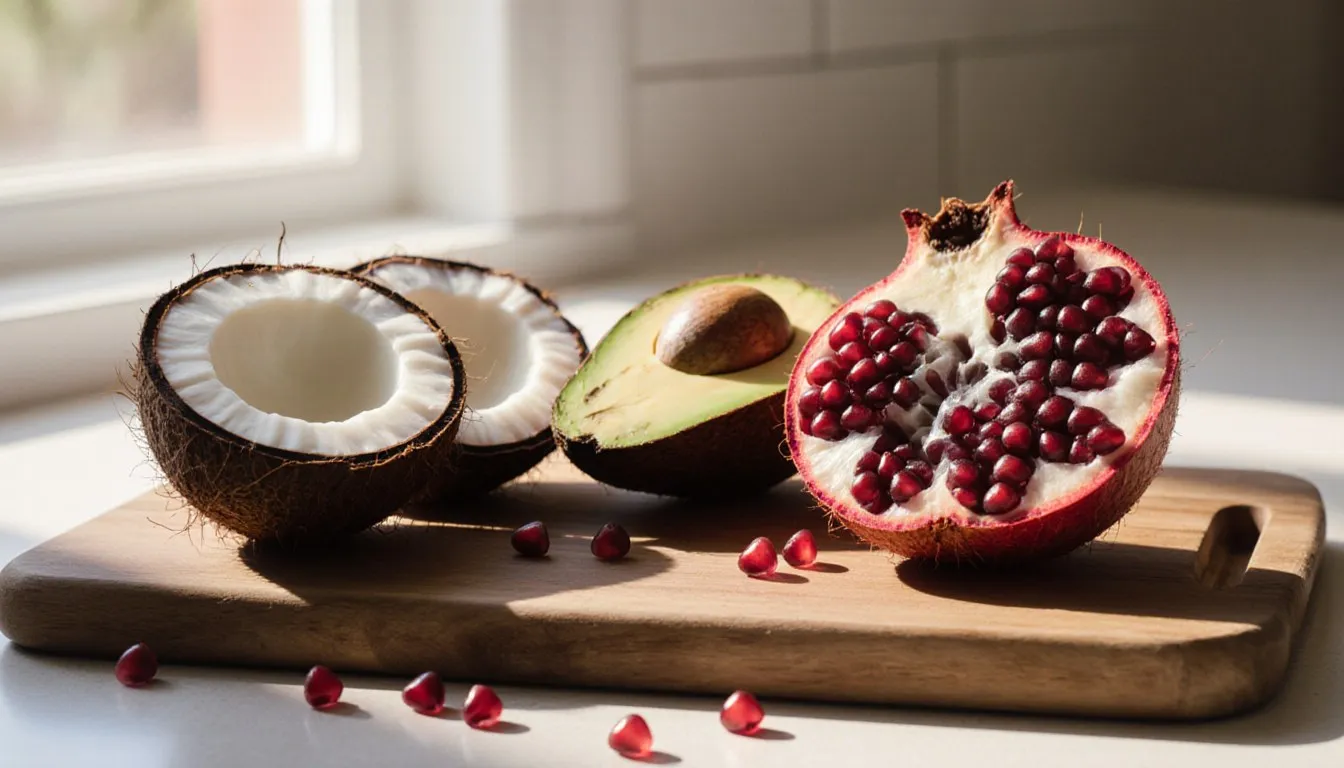
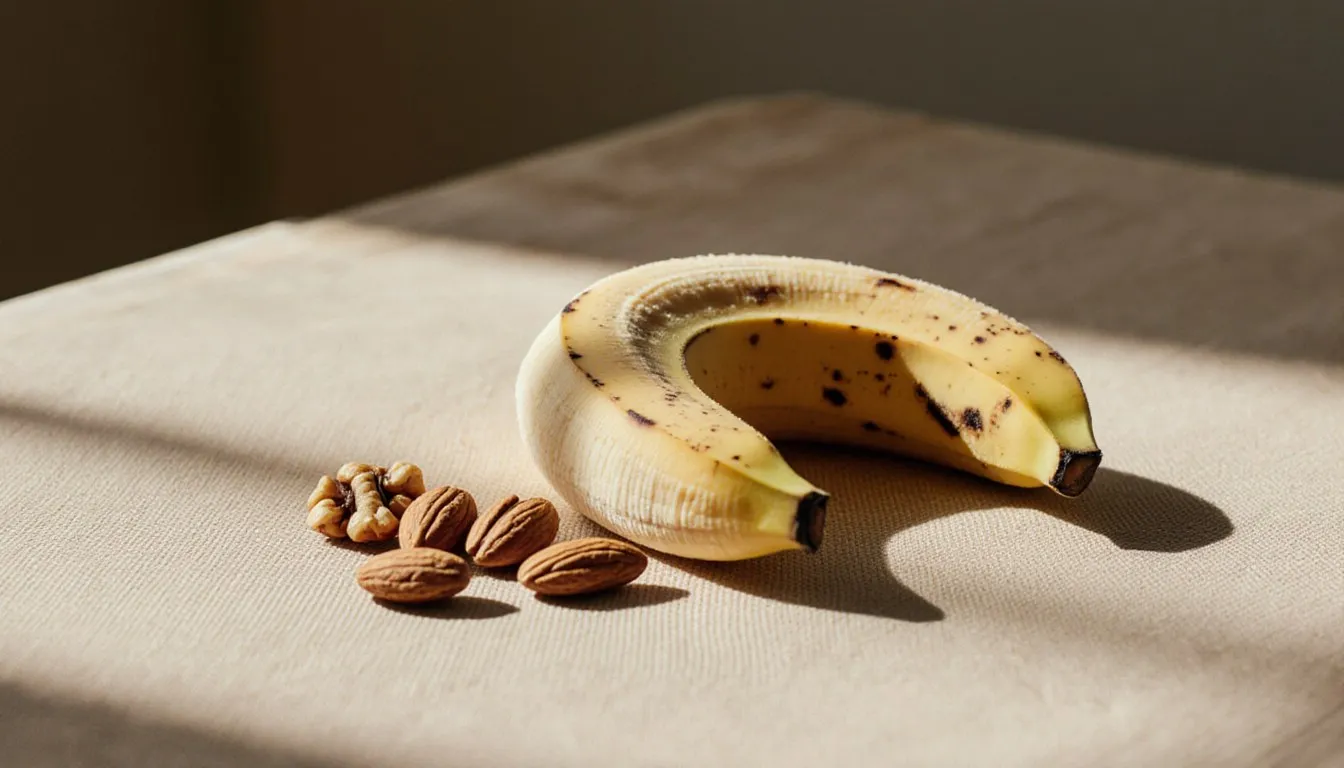
If fruit is more your speed for snacking and you’re wondering where it fits into this picture, that’s really its own conversation, since fruit plays a much smaller role here than protein and seeds do, and which fruits actually pull their weight is a question worth answering on its own.
Is There Any Reason to Go Easy on L-Arginine-Rich Foods?
For most people eating these foods as, well, food, there’s nothing to worry about. Turkey sandwiches and pumpkin seeds are not a risky habit. But there are a few specific situations where it’s worth a quick conversation with your doctor before you go out of your way to load up, and I want to be straightforward about them rather than glossing over it.
If you have a history of herpes simplex virus outbreaks, some people find that arginine-heavy eating seems to coincide with flare-ups, tied to arginine’s relationship with another amino acid, lysine, in the body. It’s not a settled, universal rule, and the classic advice on this has been around for a long time without a rock-solid consensus behind it, but if you know arginine tends to be a trigger for you personally, that’s worth factoring in.
People managing low blood pressure, anyone pregnant or breastfeeding, and anyone on medications, particularly for blood pressure or erectile dysfunction, should loop in a doctor before making any deliberate, large changes to intake, food-based or otherwise. This is about food choices, not treatment, and I’m not qualified to tell you what’s right for your specific health situation, only to flag where a conversation is worth having before you change much.
For everyone else, this is a grocery list you can actually use. Eat the turkey sandwich because it tastes good.
If this whole topic has you curious about the bigger picture, there’s a longer list of arginine rich foods spanning every category, fruit included, worth a look too. But for a normal week of actual cooking and actual grocery runs, the list above, turkey, shrimp, pumpkin seeds, lentils, a yogurt here and a handful of peanuts there, covers you. Pick two or three you already like, keep them stocked, and let the rest happen on its own.
This is general wellness information, not medical advice. Talk to a healthcare professional about your specific situation.
Maya Ellison
Staff Writer
Maya Ellison writes about living a little better on an ordinary budget and an ordinary schedule: the small, doable changes that actually stick. She is a fan of the 20-minute version of everything and deeply suspicious of any wellness plan that requires a spare $400.