Arginine Rich Foods: What’s Actually on Your Plate Already
Somebody’s friend left a big orange bottle of L-arginine on the kitchen counter next to the protein powder, and now three group chats are asking the same question. Here’s the short version: turkey breast, pork loin, chicken, shrimp, pumpkin seeds, peanuts, soybeans, and chickpeas are the foods that pack in the most arginine per serving, and there’s a decent chance you already have two or three of them in the fridge or the pantry right now. You don’t need the orange bottle to get a meaningful amount of this into your day.
What is arginine, and why is everyone suddenly asking about it?
Here’s the plain-English version: arginine (technically L-arginine) is an amino acid, one of the building blocks your body uses to make protein, nothing scarier than that. What makes it a little different from something like vitamin C, which you have to get from food or a supplement full stop, is that your body can actually manufacture some arginine on its own. Nutrition folks call it “semi-essential” or “conditionally essential” for that reason. Under normal, healthy, everyday circumstances, your body makes a baseline amount and food tops off the rest. That baseline can shift, too. Growing kids, people recovering from an injury or surgery, and people managing certain illnesses sometimes need more than their body makes on its own, which is one reason arginine comes up in hospital nutrition conversations, not just gym talk.
The part that’s driving the sudden interest is arginine’s role in nitric oxide production. Your body uses arginine as a raw material to make nitric oxide, a compound involved in relaxing and widening blood vessels. That’s the mechanism behind why arginine shows up so often in conversations about workout performance, circulation, and recovery, usually next to a supplement ad with a very muscular person on it.
Why start with food instead of a supplement?
Because food comes with roommates. When you eat a serving of turkey or a handful of pumpkin seeds for the arginine, you’re also getting zinc, B vitamins, fiber (if it’s plant-based), and a bunch of other nutrients that don’t show up on a supplement label at all. Nothing in a capsule replicates that.
There’s also the cost-and-commitment side of it, which I think gets skipped over a lot in these conversations. A bag of pumpkin seeds or a pack of chicken thighs is something you’re probably already buying anyway, folded into meals you’d eat regardless. A supplement is a new line item, a new bottle to remember. Arginine affects blood vessels, so if you’re on blood pressure medication, that interaction question deserves a real answer from a doctor, not a guess based on a supplement label. Food is just lower-friction.
The honest trade-off, though: food sources are less concentrated. A clinical dose of L-arginine used in some research settings is a specific measured amount that would be hard to eat your way to in a single sitting through turkey and pumpkin seeds alone. If someone’s chasing a very particular dose for a very particular reason, that’s worth bringing to a doctor’s appointment instead of trying to solve at the grocery store. For everyone else building general, everyday nutrition, food is doing real work, just at a gentler pace than a pill would.
Which meats and poultry are the biggest arginine sources?
If you’re already a person who cooks chicken breast four nights a week (no judgment, we’ve all been that person during a busy stretch), you’re doing better here than you might realize. Poultry and lean pork are consistently among the highest everyday sources of arginine, and they’re also things most kitchens already have on rotation. They also happen to be some of the cheaper proteins per pound at most grocery stores, which matters when “eat more protein” is competing with a grocery budget that isn’t unlimited.
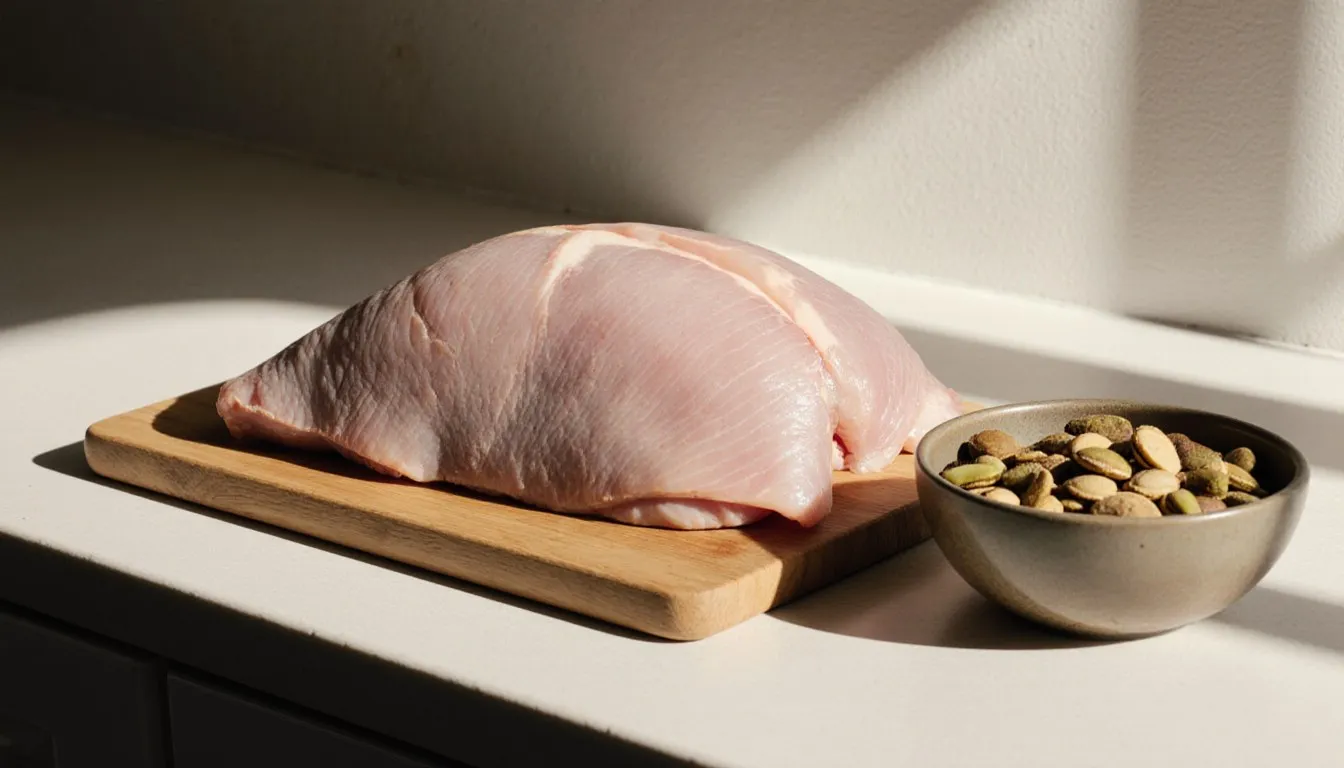
- Turkey breast is one of the standout options, and it’s easy to fold into weeknight cooking beyond just the holiday roast: sliced for sandwiches, ground into a weeknight chili, or pan-seared as cutlets.
- Chicken breast is right up there too, and it’s the protein most people already default to, which makes this one easy. If your freezer already has chicken breast in it, you don’t need to change a single thing about your shopping list.
- Pork loin is the slightly less obvious pick. It’s lean, it’s usually cheaper per pound than chicken breast at most grocery stores, and it takes well to a simple sear-and-roast that doesn’t require any special technique.
A normal, realistic portion here, something like a palm-sized serving, roughly 3 to 4 ounces, is enough to count as a meaningful contribution to your day. You don’t need to eat a pound of turkey breast to get credit. A normal dinner portion is the whole instruction here: eat a normal amount of a normal protein and call it done. None of these need a marinade you don’t already have on hand, either. Olive oil, salt, pepper, and whatever dried herb is sitting in the cabinet gets you most of the way there on a Tuesday.
What about seafood?
If your household does a fish night, you’re already covering this base. Shrimp and salmon both land solidly on any high-arginine list, and they’re two of the more forgiving seafood options for people who didn’t grow up cooking fish and are a little intimidated by it.
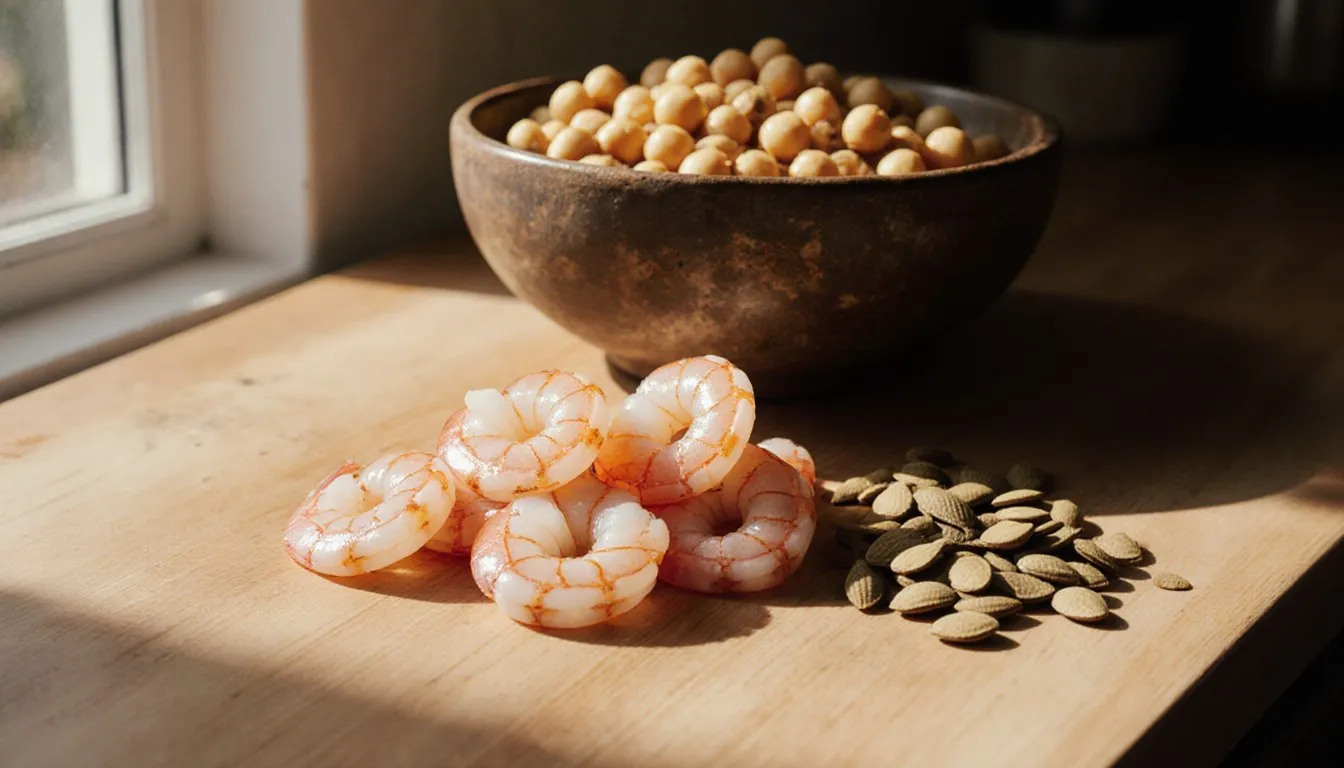
Shrimp in particular is worth calling out because it’s low-effort. A bag of frozen, peeled, deveined shrimp thaws in a bowl of cold water in about fifteen minutes and can go straight into a stir-fry, a pasta, or a sheet-pan dinner with basically no prep skill required. It’s also one of the more budget-friendly proteins in the freezer aisle relative to fresh fish, which matters when you’re trying to build a habit that actually sticks past week one.
Salmon brings the arginine plus the well-known omega-3 fatty acids, which is a nice two-for-one if you’re someone who already leans toward fattier fish for other reasons. It doesn’t need to be fancy. A fillet, a sheet pan, salt, and whatever vegetable is closest to going bad in your crisper drawer is a completely legitimate dinner. Canned tuna and canned salmon are worth keeping in the pantry too, for the weeks when even a sheet pan feels like too much: a tuna melt or a salmon patty gets you most of the same benefit with zero thawing involved.
Are nuts and seeds worth snacking on for arginine?
This is one of my favorite parts of this whole topic, because it means the answer to “what should I snack on” and “how do I get more arginine” can be the exact same handful of seeds, no separate effort required.
Pumpkin seeds are one of the most concentrated plant sources of arginine you’ll find in a normal grocery store, and they’re an easy add to a lot of things you’re probably already eating: a bag lunch, a salad, a bowl of oatmeal, or just straight out of the container at your desk. Peanuts are right there too, which is convenient, because peanut butter is already a staple in a lot of households with kids or anyone trying to eat on a budget. Sesame seeds and cashews are worth a mention as well, they’re not quite in pumpkin-seed territory, but a spoonful stirred into a stir-fry or a trail mix is one more small nudge in the same direction.
A small handful, roughly a quarter cup, or a couple tablespoons of peanut butter on toast, is enough to meaningfully count. This is the kind of tip I like giving people, because it doesn’t ask anyone to change their whole routine. It just asks you to notice that the snack you already reach for is quietly doing something useful.
What are the best plant-based and vegetarian sources?
If meat isn’t part of your plan, whether that’s a full vegetarian household or just a few meatless nights a week to stretch the grocery budget, you’re not shut out of this at all. Soybeans, chickpeas, and lentils are all solid, genuinely high sources of arginine, and none of them require you to shop somewhere unusual.
- Soybeans, whether that’s edamame steamed and salted as a snack, or tofu and tempeh worked into a stir-fry, are one of the strongest plant sources out there. A block of tofu is also one of the cheapest proteins per gram in the entire grocery store, which is worth knowing if cost is doing a lot of the deciding.
- Chickpeas show up in hummus, roasted as a crunchy snack, or tossed into a grain bowl, and they’re one of the cheapest proteins per serving you can buy, canned or dried.
- Lentils cook in about twenty minutes with no soaking required, which makes them one of the most realistic “I don’t have a plan for dinner” proteins in the plant-based world. A pot of lentil soup on a Sunday can cover you for most of the week.
This trio already lives in dishes people cook and love without anyone stopping to call it “health food”: hummus, dal, a good bean chili. That chili is already doing this work whether or not anyone at the table knows the word arginine.
Do dairy and eggs contribute much?
Modestly, yes, and modestly is the honest word for it. Milk, yogurt, and eggs aren’t going to top any arginine list the way turkey or pumpkin seeds do, but they’re everyday, no-extra-effort sources that add up across a day without you having to think about them at all.
A glass of milk in your coffee, yogurt at breakfast, eggs scrambled on a Tuesday: these add up quietly in the background, the ordinary way good nutrition usually works, a handful of everyday foods stacking up across a normal day. If you already eat eggs most mornings, you don’t need to add anything: that habit is already pulling its weight.
What about fruit?
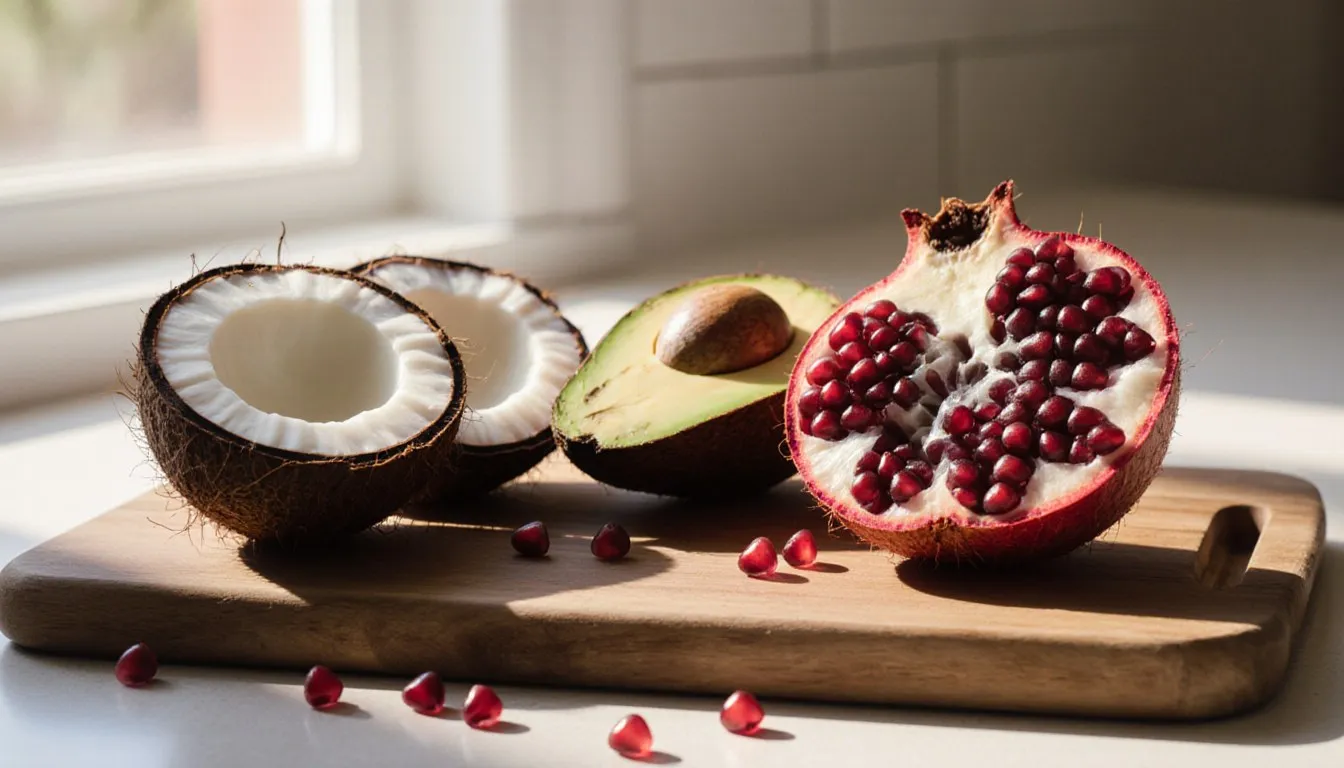
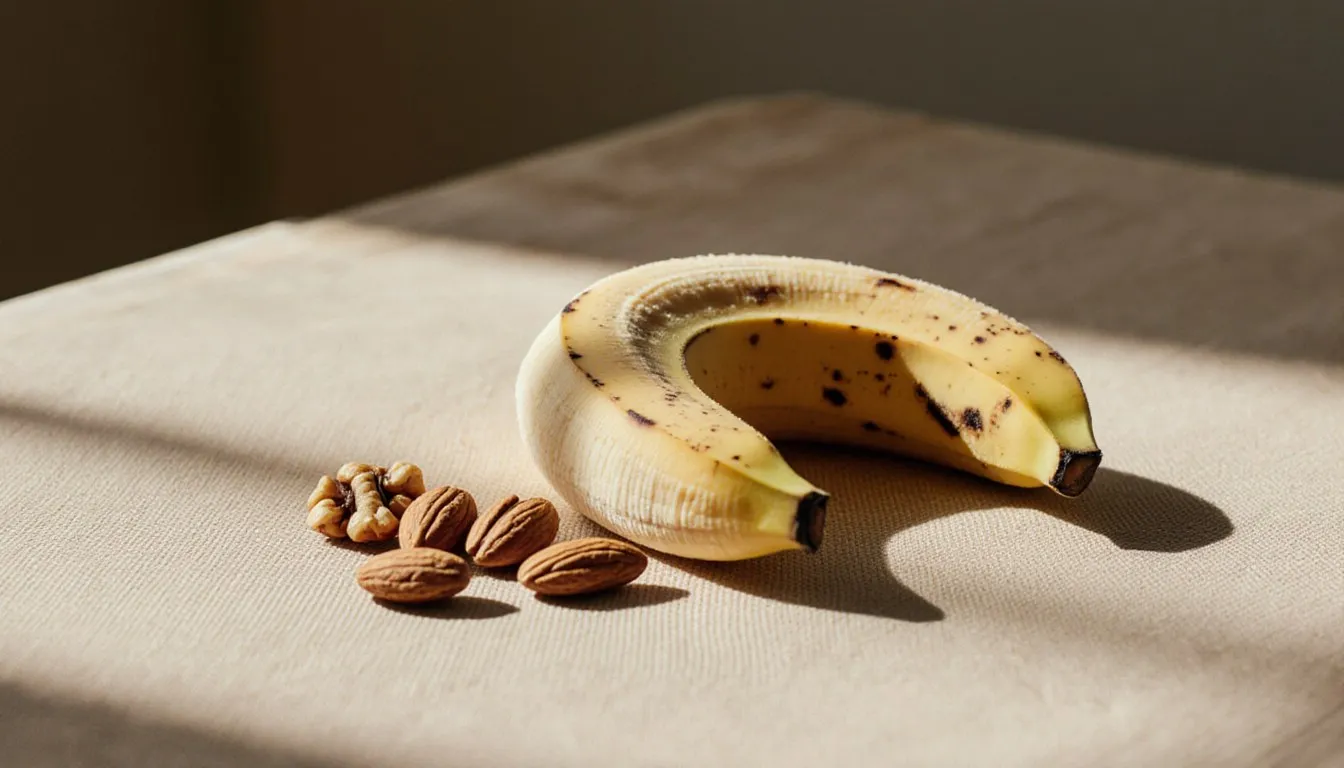
Fruit is a minor player here. Most fruits carry far less arginine than meat, seafood, seeds, and legumes do, so your morning banana isn’t moving the needle much on this particular front. That doesn’t mean fruit is a waste of a grocery budget, it’s doing plenty of other nutritional work, just not this one.
There are a few fruits that punch a little above the rest of the fruit bowl, and if that’s specifically what you’re curious about, the fuller rundown on what fruits are high in arginine is worth a look. For the purposes of this list, fruit is worth eating for a dozen other reasons; arginine just isn’t one of the big ones.
Should you skip food and just take L-arginine instead?
Maybe you’re the type who’d rather skip the meal planning and just take a capsule, and that’s a fair call for some people: athletes chasing a workout edge, or someone whose doctor is already tracking circulation and wants a more concentrated, measured dose than food alone would realistically get them.
If that’s you, treat it as its own decision rather than an automatic upgrade from the food version. A bottle runs somewhere in the ten-to-thirty-dollar range depending on the brand and dose, and unlike the pumpkin seeds you’re already eating, it’s a habit you have to build from scratch: a pill by the toothbrush, a reminder on your phone, something to restock before it runs out. If you’re on blood pressure medication or anything that affects blood vessels, that’s a real conversation to have with a doctor first, not an afterthought. And if remembering a daily capsule sounds like one more chore you don’t need, that’s a perfectly good reason to just stick with the turkey and pumpkin seeds instead.
Quality is worth knowing about before you’d ever click “buy,” too. Supplements aren’t regulated by the FDA the way food and prescription drugs are, so looking for third-party testing, a seal from a group like NSF Certified for Sport or USP, is a reasonable baseline if you go that route. That’s a simple way to separate a company that verifies what’s in the bottle from one that just prints a label and hopes. If you want to go deeper on that side of things, and on what that L on the label actually means, the closer look at L arginine rich foods goes further into that decision than this list does.
Will eating more of these foods actually change how you feel?
Probably not in a way you’d notice by Thursday, and that’s worth saying plainly before anyone goes and stocks the freezer with turkey breast expecting a jolt. The kind of measurable effects on blood flow that get discussed in research settings usually come from concentrated, measured doses used for a specific study question, not from a normal dinner with turkey in it. Eating turkey a couple of nights a week is good, sensible protein regardless. It won’t hand you a felt sensation the way a cup of coffee does.
What food-level arginine is good for is the boring, cumulative kind of good: one part of a normal, varied diet that supports normal circulation and normal protein needs over months and years, the same way eating vegetables regularly supports your health without any single carrot doing something dramatic. If someone’s looking for a fast, noticeable effect, food was never going to be the tool for that job. A doctor, a specific medical plan, or in some cases a supplement used under guidance would be the actual answer, and that’s a different conversation than this one.
How do you actually build a day of eating around this?
Let’s make this concrete instead of theoretical, because a list of foods is only useful once you can picture it on an actual plate.
Breakfast: scrambled eggs with a scoop of Greek yogurt on the side, or oatmeal topped with a spoonful of pumpkin seeds and a splash of milk.
Lunch: a chickpea and grain bowl with roasted vegetables, or a turkey sandwich on whole grain bread with a handful of peanuts on the side.
Dinner: a sheet-pan salmon or shrimp stir-fry with whatever vegetables need using up, or a pork loin roast with lentils.
Snack: a small handful of pumpkin seeds or peanuts, or hummus with vegetables.
This is a fairly normal week of eating with a couple of small, deliberate swaps: pumpkin seeds instead of chips, lentils instead of skipping the plant-based dinner entirely. Most of it also batch-cooks well, a pot of lentils or a tray of roasted chickpeas on a Sunday covers several of these meals without you having to think about it again until Thursday. It’s also forgiving: swap in whatever protein, bean, or seed you already have on hand and the arginine tally barely changes.
Who tends to pay closer attention to arginine?
Maybe this sounds familiar: your gym friend keeps bringing up nitric oxide and blood flow after a hard workout, and now you’re curious what that’s about. Or maybe you’re a few weeks out from surgery, tired, reading that protein and its building blocks matter more while your body rebuilds, and arginine keeps turning up in that reading. Or you’re managing your blood pressure with a doctor already in the loop, and circulation is already part of every appointment. Those are the moments this topic shows up in real life.
The mainstream, general-wellness read on all of this is straightforward: most people eating a varied diet with regular protein, whether that’s meat, seafood, dairy, or a solid mix of beans and legumes, are already getting a reasonable amount of arginine without ever thinking about it by name. Once you know the name, you start noticing it’s already woven through a lot of meals you were making anyway.
Quick answers: common arginine food questions
How much arginine actually counts as “high”?
There’s no single official cutoff for what counts as a “high” source in food the way there is for something like a Daily Value on a nutrition label. Think of it in tiers, the way you’d think about protein foods generally: meat, seafood, and seeds like pumpkin seeds and peanuts are your highest-density options, soybeans and chickpeas are close behind, and dairy, eggs, and most fruit are more like background contributors, nice to have, not the main event. If you want exact per-serving numbers for a specific food, USDA FoodData Central is the government database nutrition writers and dietitians pull from, and it’s free to search.
Can you get too much arginine from food alone?
For a healthy adult eating a normal, varied diet, piling up too much arginine from turkey and pumpkin seeds just isn’t a realistic worry the way it can be with a concentrated supplement dose. Food comes with normal portion sizes and normal digestion built in, a different situation entirely from a measured powder or pill. If you have a specific medical condition, particularly anything involving blood pressure or blood vessels, take that question to your doctor before you take it to a food list.
Does cooking destroy the arginine in food?
Normal cooking, roasting a chicken breast, searing pork, boiling a pot of lentils, doesn’t wipe out the arginine content the way heat can degrade something more fragile like vitamin C. Protein and amino acids generally hold up well through everyday cooking, so cook your chicken all the way through like you’re supposed to. Nobody needs to eat anything raw to get the benefit here.
What’s the easiest beginner swap if I don’t want to overhaul my diet?
Pumpkin seeds. They’re shelf-stable, they need zero prep, and they slot into a snack drawer, a salad, or a lunch bag without you having to plan a single new meal around them. If turkey or pork loin is already in your regular rotation, that’s a solid second move too: work it into a couple of dinners a week instead of leaning on the same one or two proteins.
If you only take one thing from this article, let it be this: swap one snack a day for pumpkin seeds or peanuts and see how that feels before you try to change anything else. That’s the whole plan.
This is general wellness information, not medical advice. Talk to a healthcare professional about your specific situation, especially if you’re managing blood pressure or considering a supplement on top of food sources.
Maya Ellison
Staff Writer
Maya Ellison writes about living a little better on an ordinary budget and an ordinary schedule: the small, doable changes that actually stick. She is a fan of the 20-minute version of everything and deeply suspicious of any wellness plan that requires a spare $400.