Not only do pets make a great addition to your family, but
they are also excellent healers. In fact, pet therapy is growing in popularity as a way to
improve physical and mental health in a range of patients, from children to
senior citizens.
This post will share the basic facts about
pet therapy, including its benefits and how it’s being used today to improve many different health conditions. Take a look and see if this form of therapy is right for you or someone in your family.
What is pet therapy?
Also called
animal-assisted therapy (AAT),
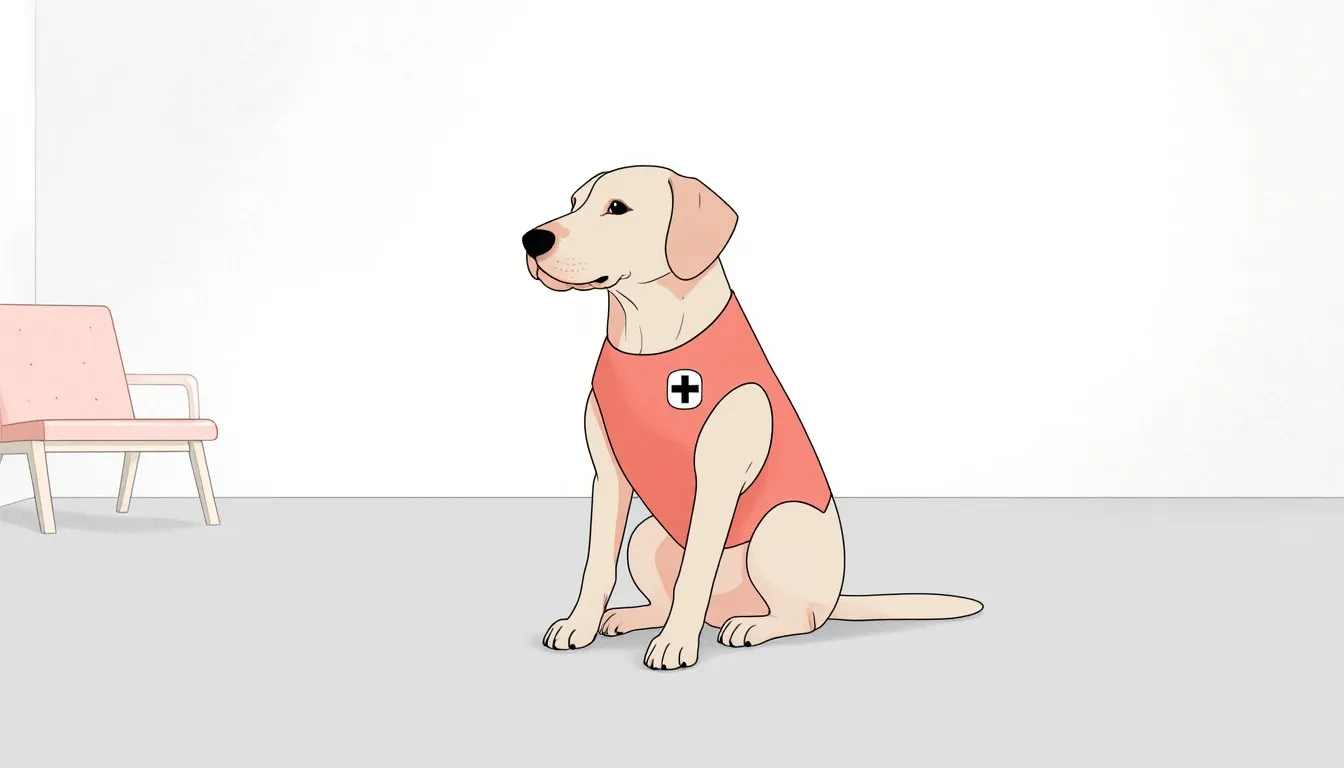
pet therapy brings together humans and animals. The goal is to foster healing for people struggling with physical health conditions (like heart disease and diabetes) or mental health disorders (like anxiety and depression). Dogs and cats are most often used as pet therapists, but rabbits and horses are also used for this purpose.
Under the supervision of a medical professional, trainers, or volunteers will bring animals for a meet and greet with patients who have the opportunity to
pet, cuddle, and interact with them. To ensure safety for everyone involved,
the therapy animal will undergo a preliminary evaluation. A professional verifies that the animal is non-threatening to the patient (some of whom have weak immune systems due to health conditions).
Some hospitals offer their own
pet therapy programs, usually partnering with volunteer organizations that train and handle the animals.
How can it benefit you?
Before you begin pet therapy, you will talk to your doctor about
how animal interaction might improve your health. For most patients, pet therapy can promote feelings of happiness, positivity, and hope. It’s also an effective way to reduce feelings of anxiety, depression, and stress.
Rehabilitation centers and veterans groups sometimes use
equine-assisted therapy as a treatment tactic. The goal is to help people
work through their emotions and cope with addiction or trauma. With this type of pet therapy, patients are responsible for taking care of a horse. Eventually, they build a relationship with the animal and
gain confidence and accountability by taking care of it.
Are there other forms of pet therapy?
Animal-assisted activities (AAA) is similar to AAT, but it’s generally conducted in more casual settings and on a less frequent basis. For example, AAT has animals socialize with hospital patients at scheduled appointments. But with AAA, volunteer groups bring dogs to visit
seniors at retirement homes or college students dealing with exam-related stress.
Even children can benefit from this type of therapy. One popular form of AAA involves bringing dogs into school libraries, where they can
sit with kids as they practice reading. Children view the animals as a non-judgmental audience. With therapy, some kids improve critical literacy skills and grow their confidence.
Simply put, pet therapy is a
non-invasive, natural treatment that offers fantastic benefits for all kinds of people. These days, there are numerous pet therapy groups around the world. With a bit of internet research, you can find one near you. Alternatively, you can
ask your doctor about incorporating animal therapy into your life.
For more animal-related content,
explore the Buzzle blog.